Not sure where to start? How to choose a modular home builder comes down to checking credentials, visiting the factory, and comparing written scopes, timelines and warranties.
This guide sits within our wider series on buying a modular home.
| What to check | What to look for |
|---|---|
| Credentials | Licensed, insured and certified for modular construction |
| Track record | Photos, floor plans and customer references |
| Factory | Visit to judge safety, cleanliness and efficiency |
| Timeline | Realistic schedule from start to finish with clear targets |
| Site work scope | Whether permits and foundation are included |
| Warranty | Coverage on the home and its components |
These points come from Prefabex and Offsite Builder Magazine. Both are industry publications, and advice can change, so check the sources before you rely on them.
Why the builder matters as much as the design
A modular home is built in a factory and finished on your lot, so your result depends on two teams: the factory and whoever does the site work. A beautiful floor plan does not help if the schedule slips or the foundation work falls between two parties.
That is why a structured comparison beats choosing on price or showroom impressions. The sections below follow the order in which most buyers can realistically check things.
- Paperwork first: licences, insurance and certification.
- Evidence second: finished homes and people who bought them.
- Production third: the factory itself.
- Contract last: scope, price, timeline and warranty.
Start with credentials and insurance
Your first filter is paperwork. One guide opens with the question “Are You Licensed, Insured, and Certified for Modular Construction?”, and a reputable builder should answer it without hesitation.
Insurance matters on the builder’s side too. The same guide says you should check that the builder and their staff carry adequate cover that protects you and the workers alike during construction. Your own cover is a separate topic, covered in our piece on modular home insurance.
Ask for copies rather than verbal assurances, and note the names on the documents. If the company that signs your contract is not the one holding the licence and cover, ask why.
Look at real work and references
Ask for photos, floor plans and customer references so you can study the work closely. Then call the references and ask what went wrong and how it was handled.
- Request finished homes similar to the one you want.
- Ask past customers about delays, communication and after-sale service.
- Check whether the builder offers customisation that fits your style and preferences.
Offsite Builder Magazine adds a practical tip: check references, watch a set and confirm who handles transport to avoid costly surprises. It also recommends getting contact details for two or three builders the factory has worked with, so you can learn how well its modules go together in the field.
Visit the factory before you commit
A factory visit shows what brochures cannot. Offsite Builder Magazine advises you to visit to evaluate safety, cleanliness, efficiency and how well production matches promised quality.
Watch what workers are doing, and if you lack construction experience, bring someone who can judge the build quality. The same source says a factory unwilling to have you visit is a red flag.
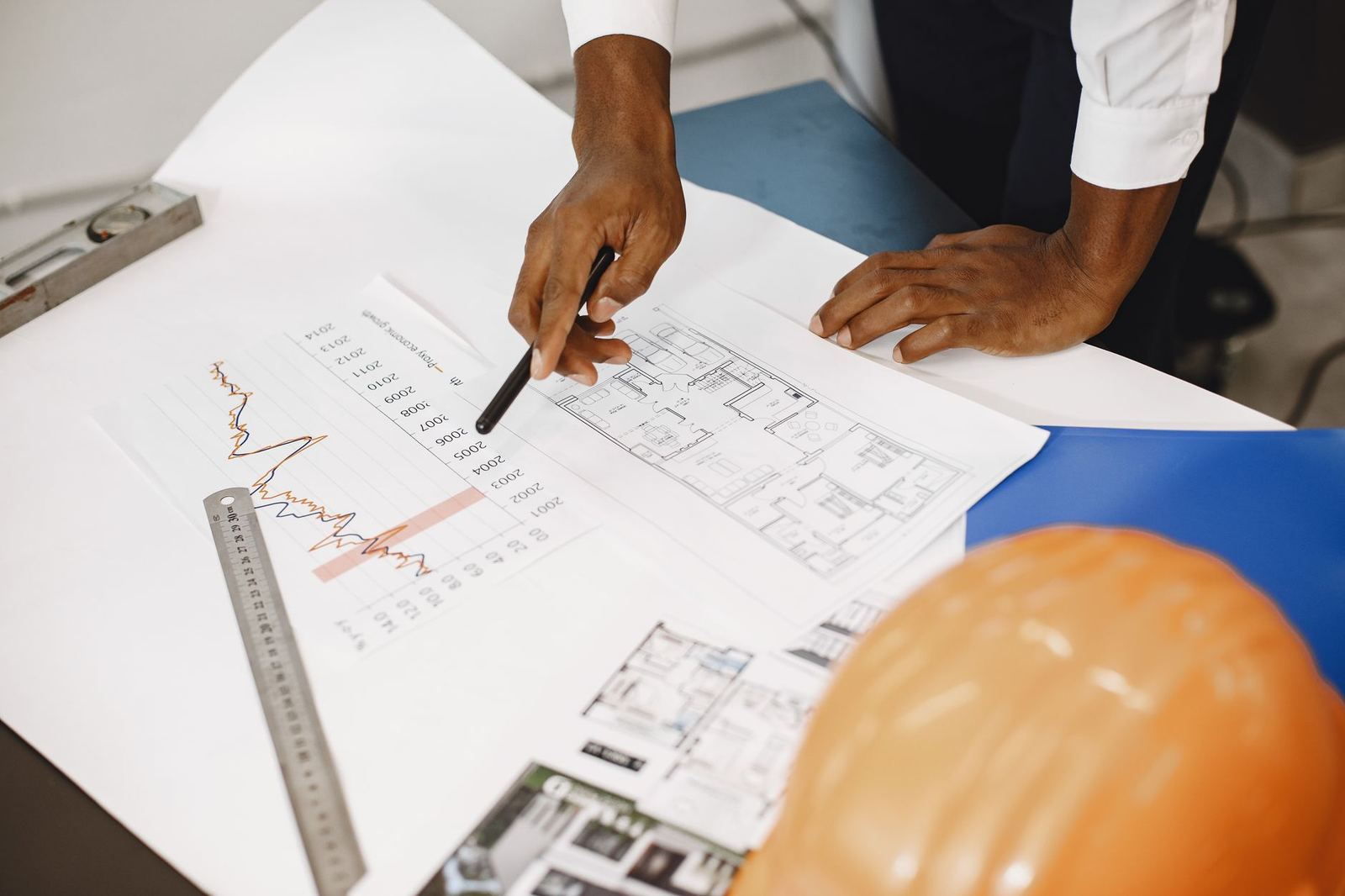
To judge efficiency, the magazine suggests noticing how much time workers spend walking around. It also suggests speaking to senior management first, since that can give you an idea of financial stability, and a factory’s project pipeline will have a big impact on your schedule.
Ask too how flexible the factory is. Some only build certain module widths, and if your lot needs a custom width because of setbacks, you must decide how far you are willing to change your plans.
Ask how quality is controlled
Prefabex lists “How Do You Ensure Quality Control During Off-Site Construction?” among its core questions. Because the home is built off site, it says the builder should offer maintenance checks every now and then.
Ask the builder to describe, step by step, what is inspected at the factory and what is inspected on your lot. Vague answers are a signal in themselves.
Compare scope, price, timeline and warranty
Two quotes are only comparable if they cover the same work. Some builders offer end-to-end services that include permit handling, foundation work and inspections, while others expect you to coordinate local contractors for the foundation.
Prefabex recommends asking for the base price, because some builders quote without critical components such as site preparation, utility connections or interior finishes. A written breakdown reduces the risk of unanticipated costs, which we cover further in modular home hidden costs.
Ask for a realistic timeline from start to finish, covering consultations, design finalisation, factory construction, on-site work and inspections. Delays happen, so a skilled builder gives you a timeline with clear targets.
Finally, ask what warranty is offered on the home and its components, and get it in writing.
Red flags worth walking away from
Not every warning sign is dramatic. Most are small gaps in openness that grow into disputes once money has changed hands.
- A factory that is not keen to have you visit, which Offsite Builder Magazine calls a red flag.
- A price that leaves out site preparation, utility connections or interior finishes without saying so.
- No clear answer on who arranges transport and who handles the foundation.
- A timeline with no targets, or no mention of how delays are handled.
- Reluctance to provide licence, insurance or reference details.
One red flag does not always end the conversation, but a pattern of them should. Write down each unanswered question and see whether it is resolved before you sign anything.
Questions to bring to every meeting
Using the same list with every builder makes the answers easy to compare later. Keep notes during each call or visit, and ask for the key answers by email afterwards so you have a written record.
- Are you licensed, insured and certified for modular construction, and can I see the documents?
- Can I speak to two or three past customers and see a finished home?
- Can I visit the factory, and can I bring someone to assess the build quality?
- What does the base price include, and what is left out?
- Who handles permits, transport, foundation work and inspections?
- What is the timeline from first consultation to handover, and what are the targets?
- What warranty applies to the home and its components?
If a builder resists a simple question such as these, treat it as useful information about how the relationship will go after the deposit is paid.
A simple comparison routine
- Shortlist builders and request credentials and insurance proof.
- Review portfolios and phone two or three references each.
- Visit factories and, if possible, watch a set or see a finished home.
- Ask each for a written scope listing who handles permits, transport and foundation.
- Compare base price, timeline and warranty terms side by side.
Score each builder on the same criteria. The one that answers questions plainly and puts everything in writing is usually the safer bet.
Frequently asked questions
Should I visit the factory before signing?
Show answer
Yes. Offsite Builder Magazine says to always ask to arrange a factory visit and to pass on a factory that will not allow one.
Who handles the foundation?
Show answer
It varies. Some builders include permits and foundation work, while others expect you to coordinate local contractors, so confirm it in writing.
What should a warranty cover?
Show answer
Ask what warranty applies to the home and its components, then compare the terms between builders.
Can a builder promise an exact timeline?
Show answer
Not reliably. Delays happen, so look for a timeline with clear targets rather than a single guaranteed date.