Weighing modular vs stick built homes? You are choosing between the same codes and two very different building processes. A modular home is built mostly in a factory and set on site, while a stick-built home is framed outdoors, piece by piece.
This guide is part of our series on modular homes, and it compares the two methods side by side.
| Item | Modular home |
|---|---|
| Building codes | Same codes as site-built housing (Texas) |
| Share built in the factory | 60 – 90% of construction |
| Typical timeline vs traditional | About half the time |
| Foundation | Permanent foundation required (Texas) |
| Site inspections | Handled by the city |
Figures come from the Texas Department of Licensing and Regulation and the Modular Building Institute. Rules and industry claims can change, so check the source before you rely on them.
How the two building methods differ
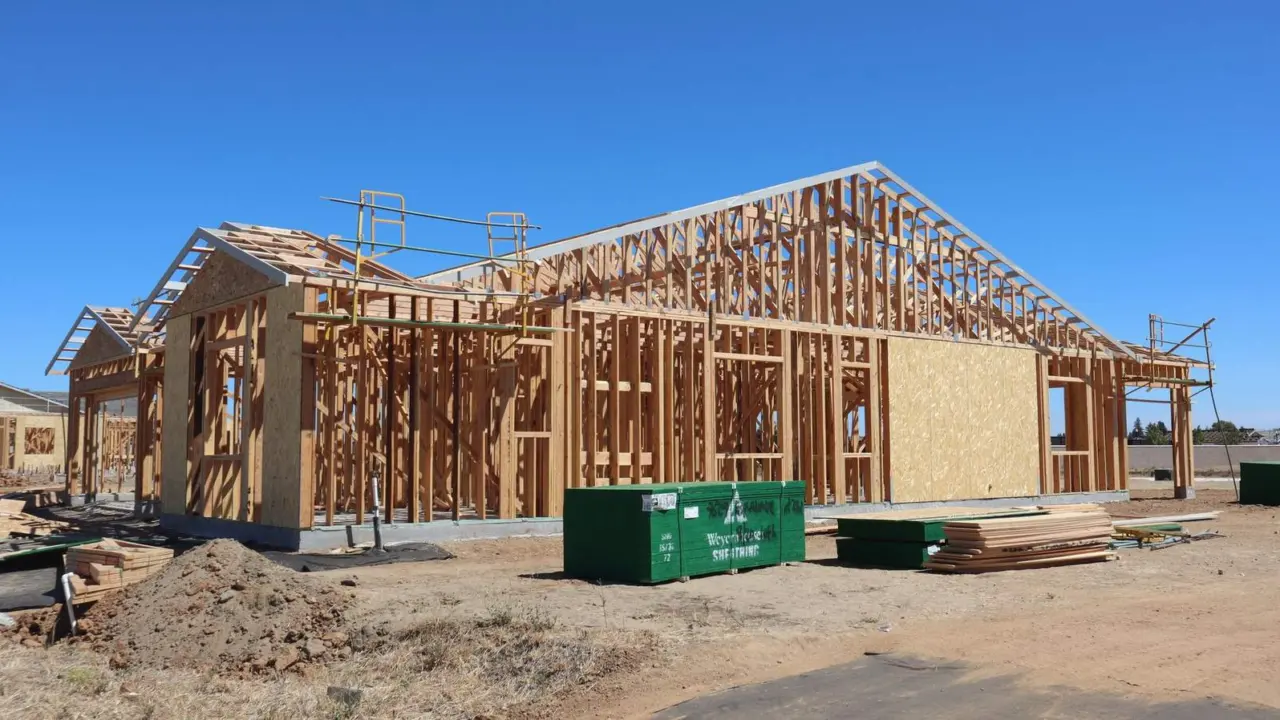
A stick-built home is assembled on your lot. Crews pour the foundation, frame walls and roof from lumber, and add plumbing, wiring and finishes in sequence, all exposed to the weather.
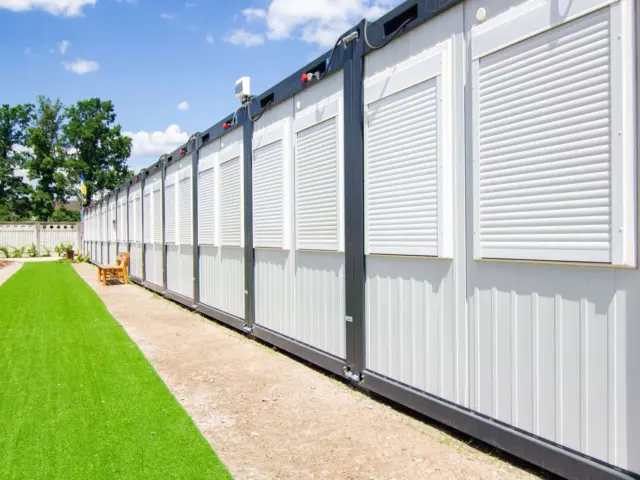
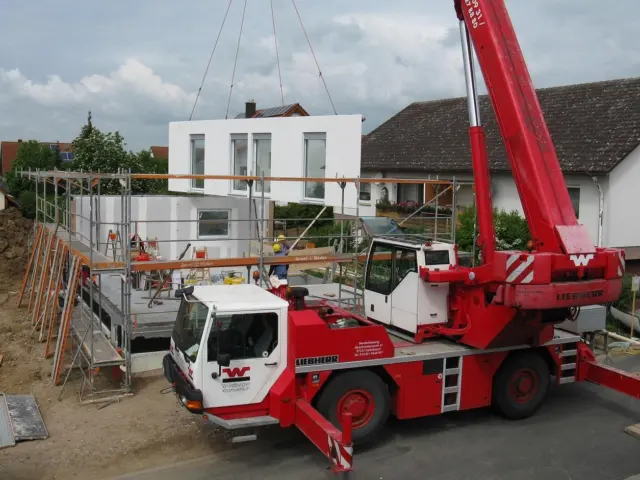
A modular home is built in sections, called modules, inside a factory. The modules are trucked to your lot, lifted onto a foundation, joined together and finished on site.
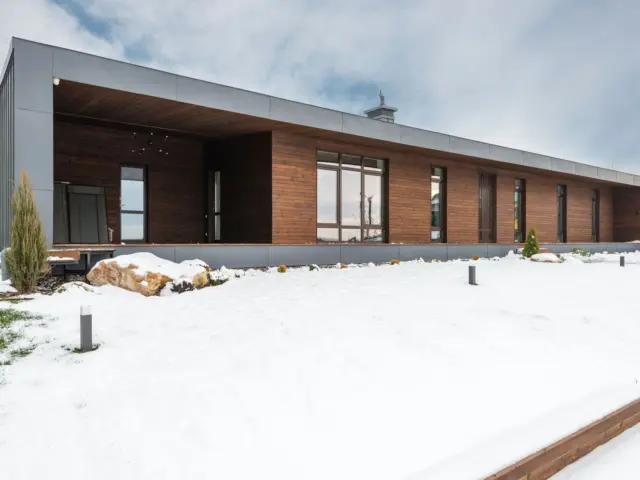
The result is a conventional house either way. Once it is complete, most visitors cannot tell which method was used.
Are modular homes built to the same codes?
Yes, in general. The Texas licensing agency states that modular housing in that state “is constructed to the same codes as site built housing.” The Modular Building Institute describes the same idea: modular uses “the same materials and designing to the same codes and standards as conventionally built facilities.”
That is what separates modular from manufactured housing, which follows a federal code. Our guide to modular vs manufactured homes covers that difference in detail.
Codes still vary by state and town, so ask your local building department which edition applies to your lot.
Speed and weather
The biggest practical gap is schedule. The Modular Building Institute says that site work and module construction happen at the same time, so projects can finish “in half the time of traditional construction.” That is an industry claim, and your own timeline will depend on your builder, permits and site.
The same source says 60 – 90% of the construction is completed inside a factory, which reduces the risk of weather delays. A stick-built frame left open to rain can stall a project and damage materials.
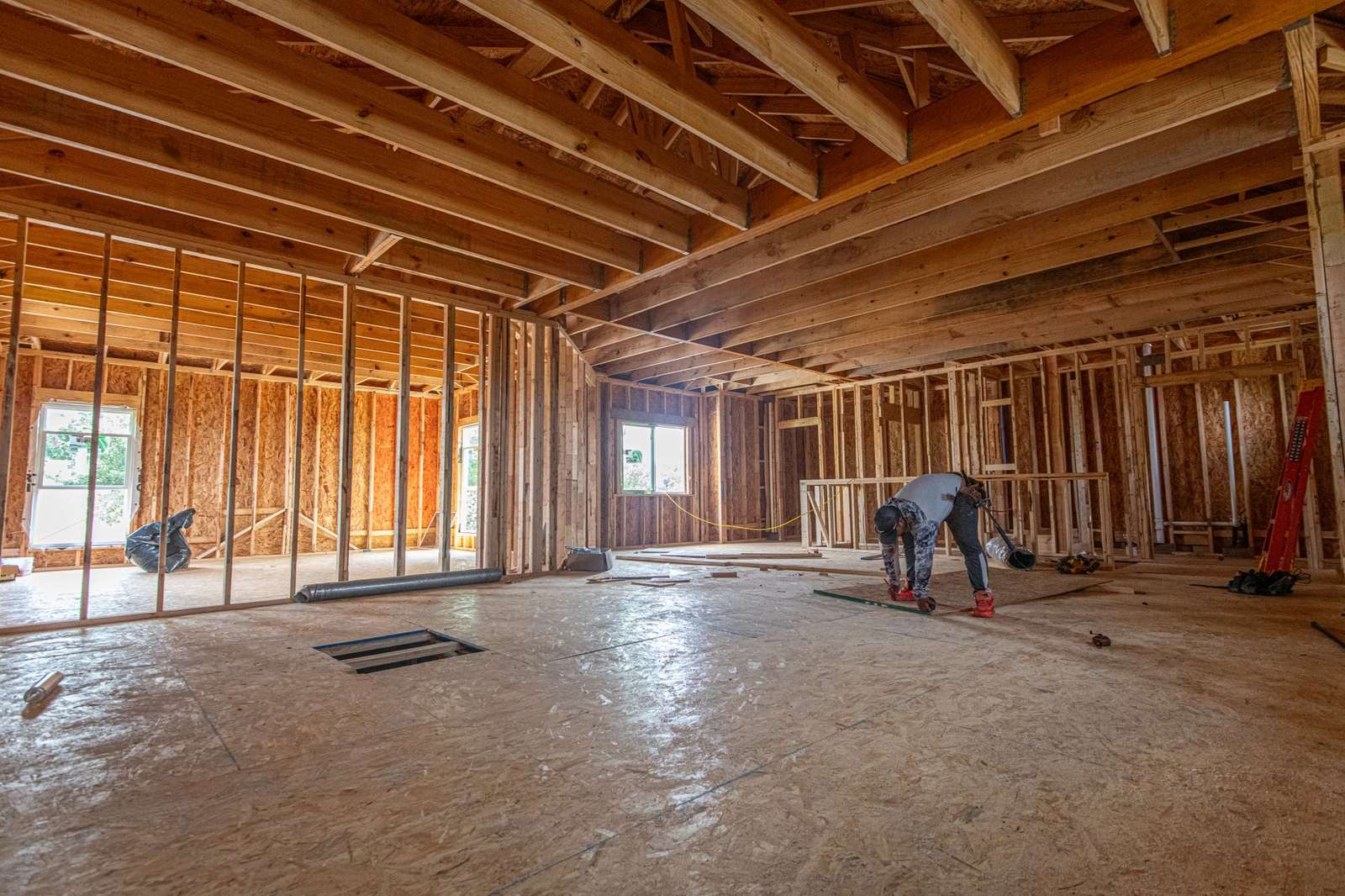
A faster build is not the same as faster move-in. Permits, foundation work and utility connections still take time on either path.
Quality control, waste and inspections
Factory work happens under one roof, with materials stored and tracked. The Modular Building Institute says the factory process “generates less waste, creates fewer site disturbances and allows for tighter construction.”
Inspection also differs in where it happens. In Texas, a unit in the plant is checked by an in-plant inspector and a third-party inspector for code compliance and workmanship. Once on your lot, the city is responsible for all site inspections.
A stick-built home is inspected at stages by the local authority as it goes up. Either way, the town signs off on the finished house.
Foundation, site work and what to compare
Modular homes are not placed on blocks. Texas requires that residential modular homes sit on a permanent foundation, and that state’s agency lists site work as the foundation, installation of the home and utility connections.
That site work is the part buyers often underestimate. Compare quotes on the same basis, and ask each builder what is included.
- Is the foundation, crane and delivery in the price or separate?
- Who arranges permits and utility hookups?
- How far is the factory from your lot, since transport affects cost?
- How much design change is possible once the factory has your plans?
Custom stick-built designs offer more freedom on odd lots and unusual shapes, since nothing has to be trucked in sections. Modular suits repeatable plans and tighter schedules.
If you are still deciding on a method, see the types of prefab homes for the other factory-built options.
Who each method suits
Neither method wins for everyone. The better choice depends on your lot, your design ideas and how much of the process you want to manage yourself.
Modular tends to suit you if
- You want a predictable schedule and fewer weather interruptions.
- You like a design that a factory can repeat, such as a standard plan with chosen finishes.
- Your lot has road access wide enough for delivery trucks and a crane.
- You are comfortable coordinating a factory contract and a separate site contractor.
Stick-built tends to suit you if
- Your lot is steep, narrow or hard to reach, which makes delivering large modules difficult.
- You want to change the design as you go, for example after walking the frame.
- You prefer one local builder responsible for the whole job from foundation to paint.
- Your design has unusual rooflines or room shapes that do not divide neatly into modules.
Many buyers end up somewhere in the middle. They choose a modular plan, then pay a local contractor for the foundation, utilities and finishing work.
Money, financing and resale
Cost is the question most readers ask first, and it has no single answer. Factory efficiency and shorter schedules can lower some costs, but transport, crane time and site preparation add others. Treat any blanket claim that one method is always cheaper with caution, and ask for itemized bids.
Financing can differ too. Many buyers of a stick-built home use a construction loan that pays out in stages as work is inspected. Factory builders often want deposits earlier, because the factory buys materials and reserves production time before the modules ever reach your lot. Ask your lender how draws work for a modular contract before you sign.
Because a modular home is built to the same codes as a conventional house and sits on a permanent foundation, it is generally treated as real property rather than a vehicle. The Texas agency notes that titles are not issued for modular homes. Appraisers and lenders in your area can tell you how they treat these homes locally, so ask them early rather than late.
Questions to ask before you commit
A short list of questions will expose most of the real differences between two quotes. Take it to every builder you interview, whether factory or site.
- Which building code and edition does the home follow, and who confirms compliance?
- What exactly does the price cover: foundation, delivery, crane, utility connections and finishing?
- Who is responsible if a module is damaged in transit or a defect appears after installation?
- What is the written schedule, and what happens if permits or weather delay it?
- Which changes are allowed after plans are approved, and what do they cost?
- Can you visit the factory or a finished home built by the same team?
Written answers matter more than verbal promises. A builder who is clear about what is included, and about what is left to you, is usually easier to work with than one who quotes a single low figure.
Finally, check your local zoning and permit rules. Some areas have their own requirements for foundations, setbacks and appearance, and these apply equally to modular and stick-built homes.
Frequently asked questions
Is a modular home as strong as a stick-built home?
Show answer
Both are built to the same codes according to the Texas licensing agency, so the standard is the same. Quality still depends on the builder and the installation.
Is modular always cheaper?
Show answer
No. Savings are not guaranteed, and transport, foundation and crane costs can offset factory efficiency. Compare itemized quotes for your own site.
Do modular homes get inspected?
Show answer
Yes. In Texas the factory has in-plant and third-party inspection, and the city handles inspections once the home is on site.
Can I build a modular home anywhere?
Show answer
Not necessarily. Local zoning, access for delivery and a permanent foundation all matter, so check with your local building department first.