Comparing modular vs manufactured homes? You are not alone, since the names sound alike. The key difference is the rulebook: manufactured homes follow a federal HUD code, while modular homes follow state and local building codes.
This guide is part of our wider look at modular homes, and it focuses on what separates these two factory-built types.
| Item | Value |
|---|---|
| Code for manufactured homes | Federal HUD Code, in force by 1976 |
| Code for modular homes | State and/or local codes, as for site-built homes |
| Permanent chassis | Required for manufactured homes, not for modular |
| Modular completion at factory exit | Ordinarily 85 to 95 percent complete |
| Typical modular foundation | Conventional basement or crawl space |
These figures come from a HUD research report on factory and site-built housing, which is an older document. Rules and market conditions change, so check the current source and your local authority before you rely on them.
Modular vs manufactured homes: which code applies
Both types are built indoors in a factory, which is why people mix them up. What differs is the legal standard each one must meet.
The HUD report explains that by 1976 mobile homes had come under federal regulation: “By 1976 mobile homes had come under regulation in the form of the pre-emptive federal “Manufactured Home Construction and Safety Standards” or “HUD-Code,” and the era of modern “manufactured homes” began.” Homes built before that are usually called mobile homes, not manufactured homes.
Modular homes take a different path. The same report says that “modular housing, like site-built housing, must conform to state and/or local codes.”
What “pre-emptive” means in practice
A pre-emptive federal code overrides local construction rules. According to the HUD report, “The HUD-Code pre-empts all state and local codes that might otherwise apply to design and construction of manufactured homes.”
That has a few consequences for you as a buyer:
- A manufactured home is designed to one national standard wherever it is shipped.
- A modular home must satisfy the code of the state, or locality, where it will stand.
- Zoning and environmental rules still apply to both. The report notes that “other state and especially local codes or regulations may also govern topics such as zoning and environmental considerations.”
Modular rules tend to be more uniform than you might expect. The report says “modular housing is most commonly subject to a statewide code that cannot be locally amended.”
Chassis, foundation and the finished look
The clearest physical test is the steel frame underneath. The report states that “the “permanent chassis” requirement distinguishes manufactured housing from modular housing.”
The chassis was originally needed so a home could be moved. As the report puts it, it “was originally deemed a necessary requirement under the HUD-Code to permit the manufactured home to be mobile.”
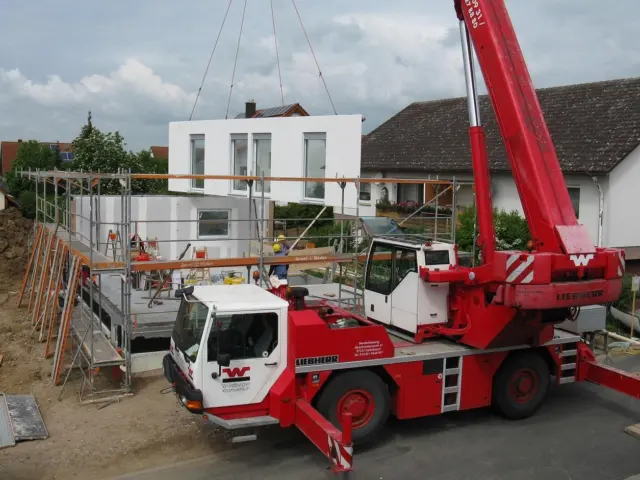
Modular homes have no such frame. They are described as “factory-built homes that are delivered to the building site in largely complete form as multiple modules and placed by crane on conventional basement or crawl space foundations.”
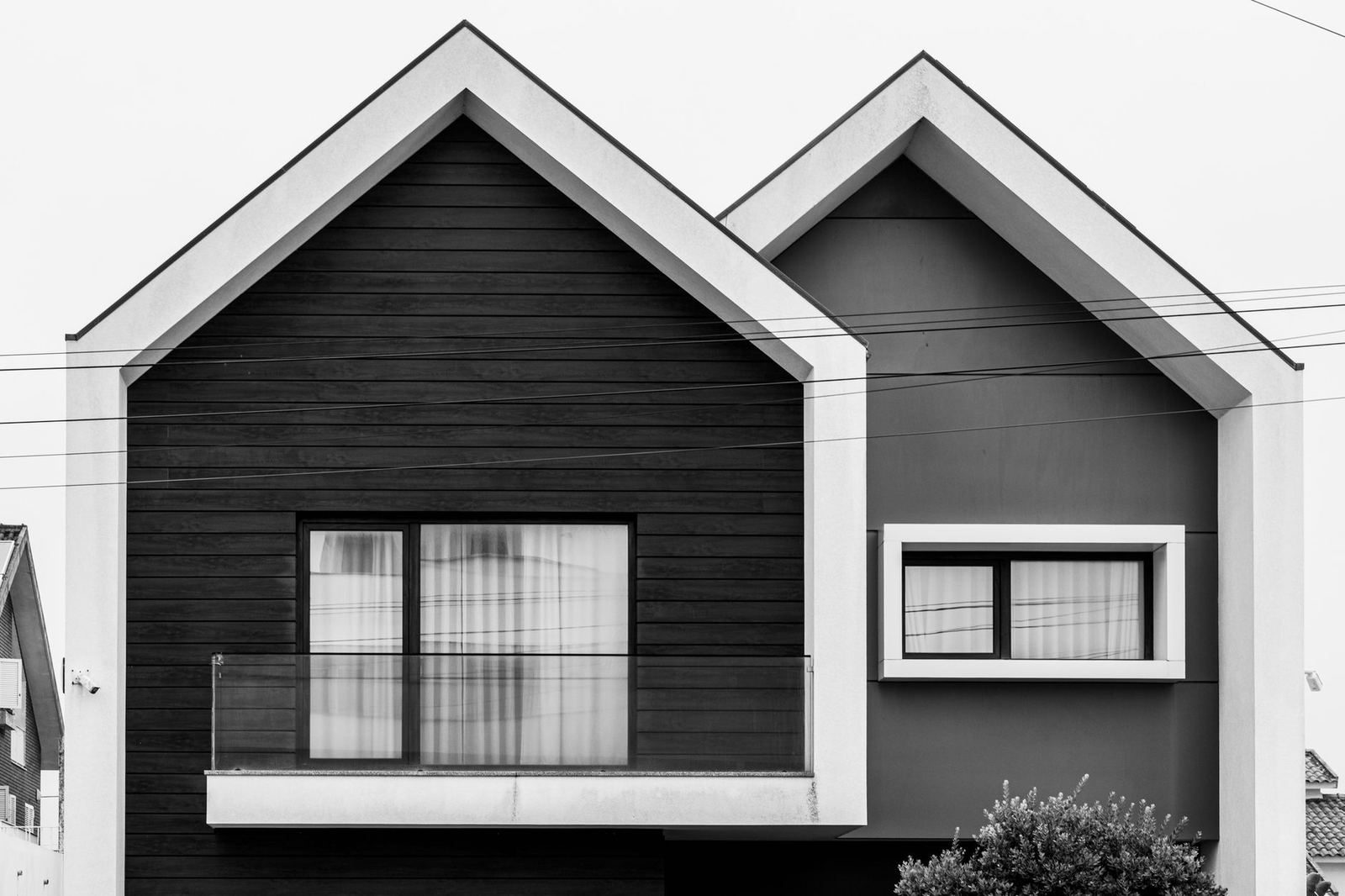
Because modules arrive mostly finished, site work still matters. The report says modular homes are “ordinarily 85 to 95 percent complete when they leave the factory,” and that they are “usually sold through small builders responsible for preparing the site and foundation as well as required finish work.”
To see how the factory process itself works, read our guide to how modular homes are built.
Cost and market position
The report compared three housing types: manufactured, modular and site-built. Price is where the two types most often diverge. The HUD report found that “manufactured homes are less expensive than the site-built or modular homes due to their lower square-foot production costs, even after correction for major contributing factors including land, square footage, and differences in foundation costs.”
Part of that gap comes from design choices. The report notes that “the steel chassis in the manufactured home serves to reduce floor spans and permits the use of less expensive floor framing.”
Keep in mind this is a dated comparison. Current prices, financing terms and valuation differ by region, so use it only as a picture of why the cost structures differ.
Side-by-side summary
The table below pulls the points above into one view, so you can see where the two types part ways. Each row reflects the HUD report discussed in this guide.
| Topic | Manufactured home | Modular home |
|---|---|---|
| Governing rules | Federal HUD Code that pre-empts state and local construction codes | State and/or local codes, like site-built housing |
| Frame | Permanent chassis | No chassis requirement |
| Foundation | Built around a permanent chassis | Conventional basement or crawl space |
| Cost | Less expensive per the report | More expensive than manufactured per the report |
| Site work | Depends on the installation | Small builders prepare the site and foundation and do finish work |
This comparison is drawn from the same HUD factory and site-built housing report; figures can change, so check the source before you rely on them.
Two points follow from the code split. A modular home is checked against the code of the place where it will stand, while a manufactured home is built to one federal standard wherever it ships.
The second point is about what you can compare. Because modular homes follow the same kind of rules as site-built houses, a modular home is easiest to judge against a conventional house. A manufactured home is better judged against other homes built to the HUD Code.
Neither type is automatically better. The right choice depends on your budget, your lot, the rules where you live, and whether you want a home that follows the same standard as a conventional house.
A few terms are worth keeping straight when you read listings or talk to sellers:
- Mobile home: the older term, used for units built before the 1976 federal standard.
- Manufactured home: a home built to the federal HUD Code on a permanent chassis.
- Modular home: a home built in factory modules to state and/or local codes and set on a conventional foundation.
- Site-built home: a home built on the lot, also under state and/or local codes.
Mixing these terms up is common, and sellers sometimes use them loosely. Ask which code the home was built to and request the paperwork that shows it, then confirm with your local building department that the home can be placed on your lot.
How to choose between them
Start with what you want the home to be. Use these questions as a checklist:
- Will the home sit on a permanent foundation, or be placed on a chassis?
- Which code does your state or local authority require for the lot?
- Does your budget favour the lowest production cost, or a design that matches site-built construction?
- Who handles site preparation, foundation and finish work?
If your goal is a home built to the same standard as a traditional house, compare modular with conventional building too. Our page on modular vs stick built homes covers that comparison.
This site is an independent educational guide. It is not affiliated with any builder, agency or product, and it does not sell services or take enquiries. Always confirm code and permit questions with your local building department.
Frequently asked questions
Is a manufactured home the same as a mobile home?
Show answer
Not quite. According to the HUD report, the federal HUD Code from 1976 marked the start of the era of modern “manufactured homes”, so the term refers to homes built under that code.
Do modular homes need a chassis?
Show answer
No. The HUD report says the permanent chassis requirement distinguishes manufactured from modular housing, and modular homes are placed on conventional foundations.
Which code do modular homes follow?
Show answer
State and/or local codes, like site-built homes. The report adds that modular housing is most commonly subject to a statewide code.
Which is cheaper?
Show answer
The HUD report found manufactured homes less expensive than site-built or modular homes, even after correcting for land, size and foundation. The report is dated, so check current prices.