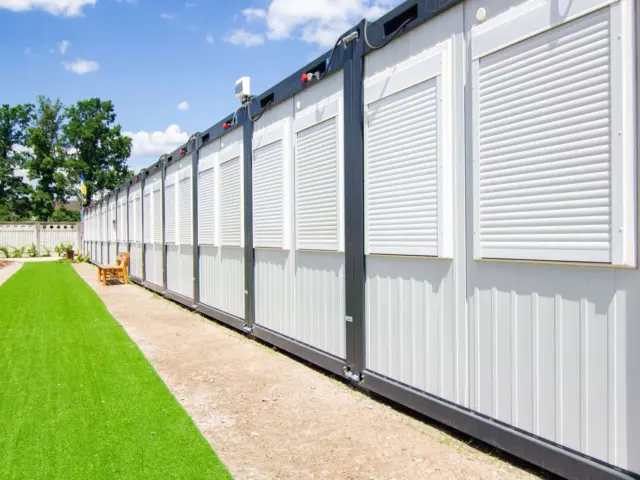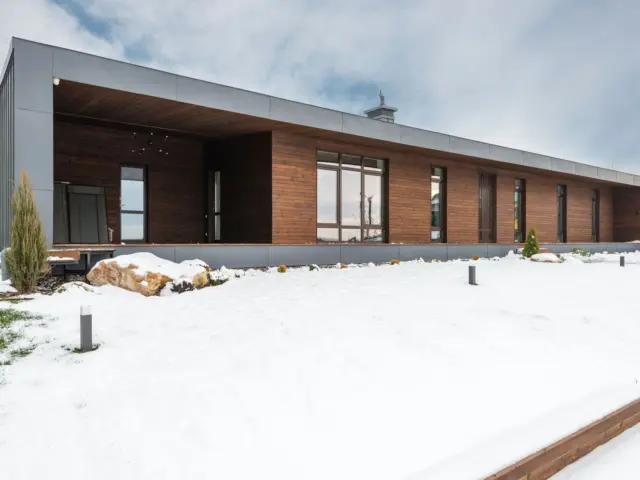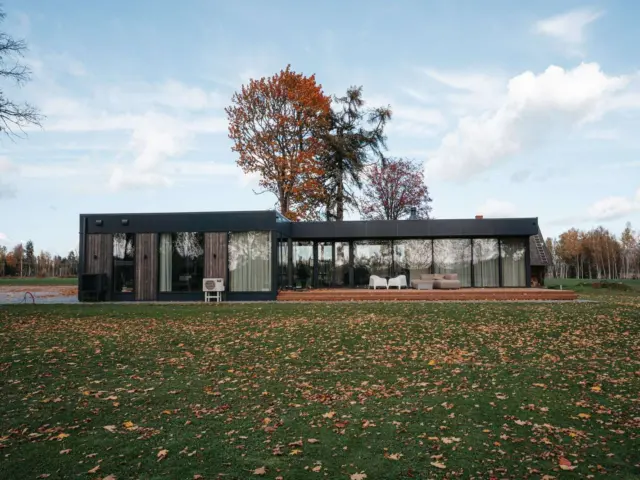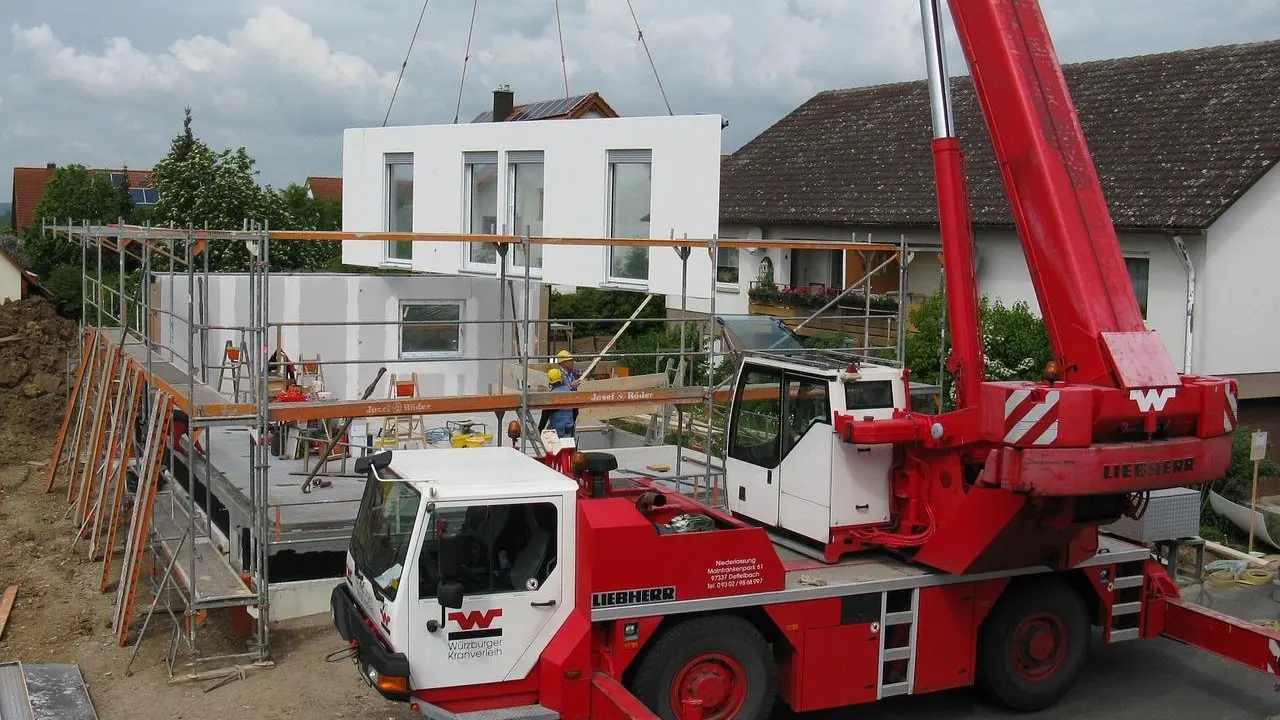
Sorting through the types of prefab homes can feel like alphabet soup. In short: modular arrives as finished boxes, panelized as wall sections, SIP as insulated panels, and kit as a parts package.
This guide is part of our wider look at modular homes.
| Item | Key fact |
|---|---|
| Manufactured homes | Regulated under HUD standards since 1976 |
| Modular homes | Often look like traditional single-family homes and meet strict building codes |
| Panelized homes | Arrive as walls or panels put together like a traditionally built home |
| SIP panels | Two oriented strand boards with a thick layer of insulating foam between them |
| Kit homes | A package of parts with instructions, assembled by the home buyer |
| Typical prefab cost difference | About 10 to 20 percent less than a traditionally built home |
These figures come from Redfin’s prefab home guide. Costs and rules can change, so check the source and your local authority before you rely on them.
Types of prefab homes and what “prefab” means
“Prefab” is an umbrella word, not a single product. It covers any home where a large share of the work happens in a factory instead of on your plot. The different types simply split that work in different places.
Redfin notes that because much of the work is done in a controlled environment, prefab homes can be built more quickly, with less material waste, and at a lower overall cost than traditional builds. That is a general advantage, and it varies by type, builder and site.
A useful way to compare the types is to ask three questions:
- How finished is the home when it leaves the factory?
- Which rules does it follow, local building codes or a federal code?
- How much work is left for crews, or for you, on site?
Modular homes: finished sections, local codes
Redfin describes modular homes as often looking the same as traditional single-family homes, meeting strict building codes, and able to appreciate in value over time. The factory builds the sections, and they are joined on your foundation.
Because the result is a conventional house in everything but how it was built, modular is the type most buyers picture when they say prefab. It also offers a variety of styles and floor plans, and owners can add modular additions later.
If you want a direct comparison with a conventional build, read our guide to modular vs stick built homes.
Panelized homes: flat sections you assemble on site
Redfin says panelized homes are similar to modular homes, but they come in the form of walls or panels that must be put together like a traditionally built home. So more of the assembly happens on your land.
Some panelized packages have doors and windows already installed, while others need extra parts added on site. Ask exactly what is included before you compare prices.

Panelized suits buyers who want more design freedom than a fixed module allows, and who have a local builder ready to finish the job. The trade-off is more site coordination.
SIP homes: panels with an insulating core
A structural insulated panel (SIP) home is, per Redfin, similar to a panelized home with one key difference: the panel itself. SIP panels are made of two oriented strand boards with a thick layer of insulating foam between them.
In practice, SIP describes a construction method as much as a home category. The insulation is built into the wall, so there is less to add on site.
When you compare quotes, check these points:
- Which foam core the panel uses.
- Whether the price includes the roof and floor panels.
- Who is responsible for sealing the joints between panels.
Kit homes: you buy the parts
Redfin defines a kit home as a prefab house purchased and delivered as a package of parts with instructions, then assembled by the home buyer. Kit houses still exist today as mail-order prefab homes from a variety of builders, shipped to your property. Many modern tiny homes are built from kits.
Kits put the most work on you or your hired crew. They can suit hands-on owners, but you should plan for the foundation, utilities and inspections, which are rarely part of the package.
Where manufactured homes fit
Manufactured homes, also called mobile homes, have been regulated under Department of Housing and Urban Development (HUD) standards since 1976, according to Redfin. That sets them apart from modular and panelized homes, which follow local building codes.
Redfin adds that manufactured homes do not always rest on a permanent foundation, which can affect financing. If one is placed on a foundation and titled as real property, more loan programs become available.
Before you choose, weigh the trade-offs in our overview of modular home pros and cons. Redfin also flags land costs and high upfront costs as drawbacks of prefab: you need to own the land, and money is often needed earlier than with a traditional build.
How to choose between the types
Start with your own situation, not the label. A buyer with a tight schedule and a plot ready for a foundation will weigh things very differently from someone who wants to manage the build personally.
Use this simple order of questions:
- Decide how much work you want to take on yourself. If the answer is almost none, modular is the closest to a finished home on delivery.
- Decide how much design flexibility you need. Panelized and SIP packages usually leave more room to adapt a plan than fixed factory modules.
- Check the rules that apply to your plot. Local planning and building authorities decide what can be built, and which code the home must follow.
- Ask how financing works for the type you prefer. As noted above, a manufactured home on a permanent foundation titled as real property opens more loan programs.
- Add up the full cost, including land, foundation, utilities and assembly, rather than comparing only the factory price.
Each supplier packages these types differently, so the same label can mean different inclusions. Always ask for a written list of what is and is not in the price, and what the crew on site must still do.
Questions to ask any supplier
- Is the delivered home complete, or do I need to hire trades to finish it?
- Which building code does the home follow?
- Are doors, windows, insulation and roofing included?
- Who handles inspections and permits?
- What are the transport and installation costs for my site?
Treat the 10 to 20 percent figure as a rough guide rather than a promise. Your own saving depends on the site, the design, the builder and how much is left to do after delivery.
Frequently asked questions
What are the main types of prefab homes?
Show answer
The common types are modular, panelized, SIP, kit and manufactured homes. They differ in how finished the home is on delivery and in the code they follow.
Is a SIP home a separate type from panelized?
Show answer
Redfin treats them as similar, with one key difference: SIP panels have an insulating foam layer between two oriented strand boards.
Are prefab homes cheaper?
Show answer
Redfin says they often cost about 10 to 20 percent less than a traditionally built home. Land, foundation and site work are extra, so compare full costs.
Which type needs the most work from me?
Show answer
Kit homes. They arrive as a package of parts with instructions and are assembled by the buyer.