Wondering whether a factory-built house is right for you? The modular home pros and cons come down to a trade: you often gain speed and possible savings, but you accept design limits and extra site costs.
| Item | Value |
|---|---|
| Possible cost saving | 10% to 20% less than site-built, per one guide |
| On-site assembly time | Usually only a few weeks |
| Price compared with stick-built | Often a lower price point |
| Extra site costs | Excavation, transport, permits, land development, sales tax |
| Land | Not included in the home price; vacant land is a separate purchase |
These figures come from Capterra and Redfin. They can change, so check the sources before you rely on them.
This guide is an independent educational overview of modular homes. It is not affiliated with any builder, brand or agency, and it does not sell services or take enquiries.
What makes a modular home different?
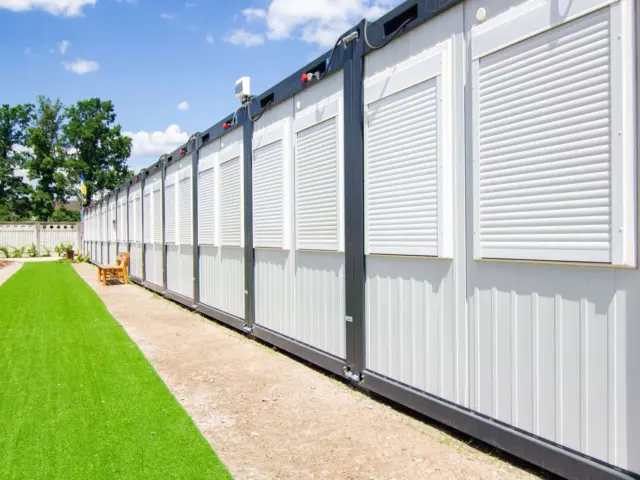
A modular home is built in sections inside a factory, then moved to your plot and joined together. The factory setting is the source of nearly every advantage and most of the drawbacks.
Redfin notes that these homes are engineered to withstand transportation stresses and must adhere to strict building codes and standards. If you are still comparing construction methods, the guide to types of prefab homes explains where modular sits among the alternatives.
The main advantages
Faster on-site work
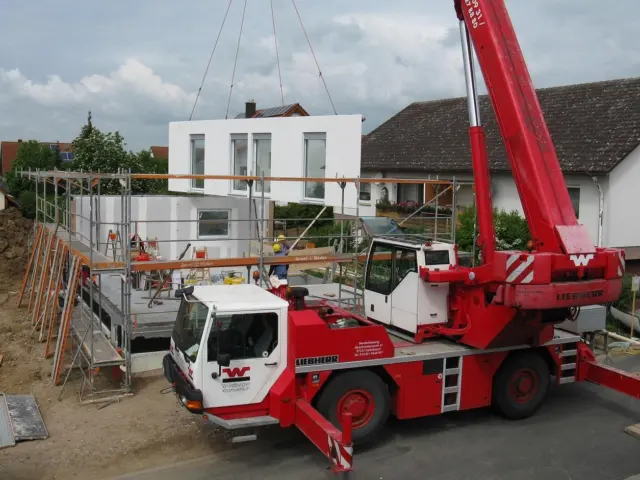
Most of the building happens indoors, so the part that takes place on your land is short. According to Redfin, on-site assembly usually takes only a few weeks, cutting down on construction time and saving both money and resources.
Weather is less of a problem for the factory stage. Rain or frost can still affect groundwork and the day the sections are craned into place, so a schedule is never completely weatherproof.
Potential cost savings
Capterra says modular construction can cost 10% to 20% less thanks to assembly line efficiency. Redfin makes a similar point: compared with traditional stick-built homes, modular homes often come at a lower price point because of the economies of scale of factory construction and reduced labor costs.
Treat these as general claims rather than promises. Your own saving depends on your design, your location and the builder you choose.
Quality control and inspection
Working in a controlled setting makes it easier to repeat the same steps and check them. Redfin describes an inspection and certification stage in which the home is inspected for compliance with local building codes and safety standards before it is handed over.
That does not replace your own diligence. Ask for the inspection records, and expect local permitting and on-site checks to apply as well.
Room for personalisation
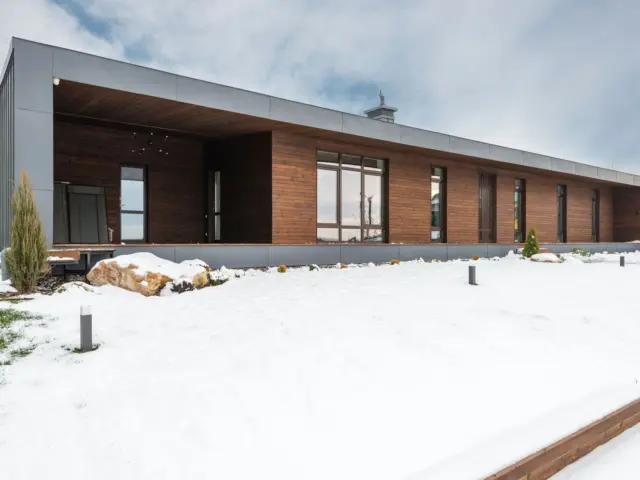
Many buyers assume a factory home means a catalogue box. Redfin says modular homes offer a surprising degree of customization, and that the ability to customize the layout and aesthetics makes them attractive to buyers who want personalization within their budget.

For ideas on what is realistic, see our overview of prefab home design.
The main drawbacks
The same factory logic that saves time also creates limits. These are the points to weigh before you commit:
- Design limits: Modules must be transportable, so very unusual shapes, large spans or complex rooflines can be difficult or costly.
- Extra costs outside the factory price: Capterra lists excavation costs, transportation costs, permit costs, land development and sales tax as additional costs that depend on your location.
- Land and foundation: A home price does not include the plot. If you need to buy vacant land, that is a separate purchase and a separate budget line.
- Paperwork and financing: Lenders and local authorities may treat a project differently from a conventional build, so ask early.
- Builder quality varies: A factory process does not guarantee a good result. The company you pick matters more than the method.
Who is a modular home likely to suit?
Modular building tends to reward people who decide early and stick to the plan. Because the factory builds to a fixed specification, changes after production starts are harder and more expensive than moving a wall on a traditional site.
It can suit you well if:
- you already own a plot, or have found one with easy access for delivery vehicles and a crane;
- you prefer a clear sequence of stages to an open-ended build;
- you value a short period of disruption on your land;
- you are comfortable choosing from a builder’s range and adapting it.
It may suit you less if your site is steep, narrow or hard to reach, because getting large sections to the spot can add cost and planning effort. It may also be a poor fit if you expect to keep redesigning as you go.
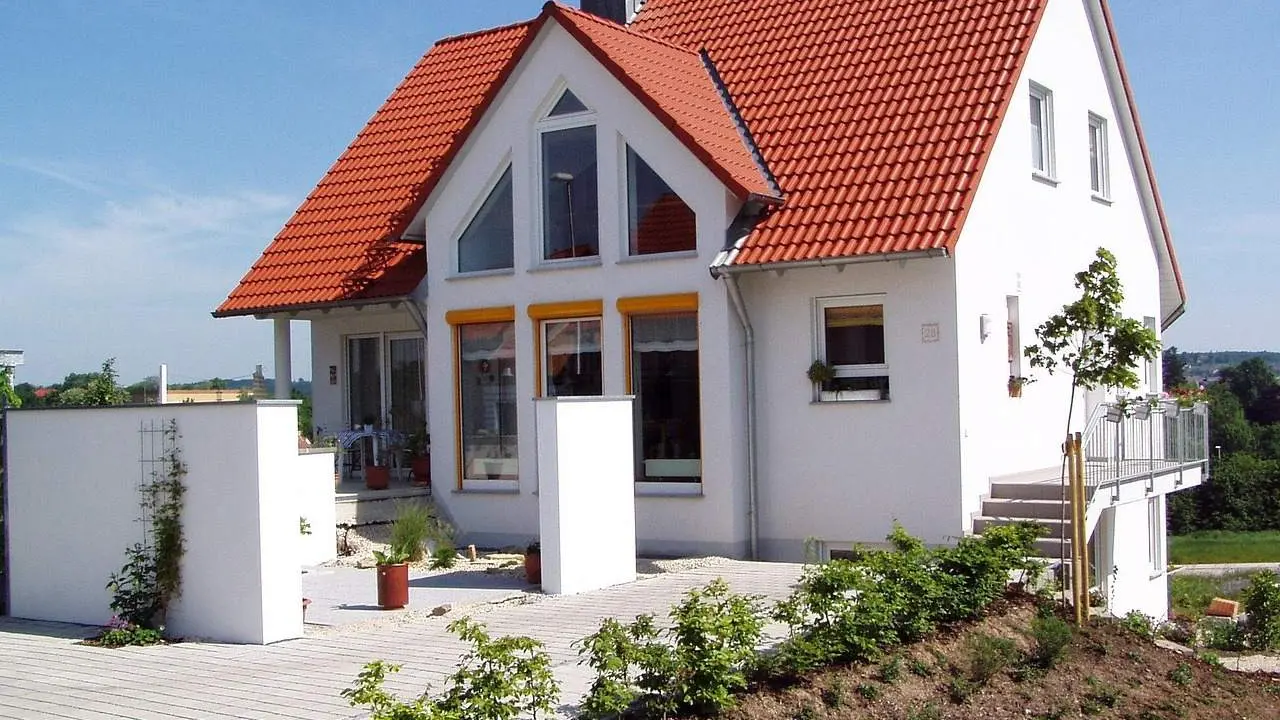
Think about resale too. Buyers judge a home by its location, condition and finish, so a well-built modular house on a good plot is assessed much like any other. Keep your records, plans and certificates together so a future buyer can see exactly what was built and how.
Questions to ask before you commit
A good conversation with a builder tells you more than a brochure. Ask what the quoted price covers, who handles the foundation and utility connections, and who is responsible for delivery and installation.
Ask also how changes are handled once the order is placed, what warranty applies, and how the builder deals with defects found after move-in. Written answers are better than verbal ones, and a reliable company will not mind giving them.
Finally, visit a finished home if you can. Seeing the joints between sections, the finish quality and the room sizes in person helps you judge claims about quality better than any listing.
How should you weigh them?
Start with your priorities. If a short build on your own land and a predictable process matter most, modular is worth a serious look. If you want an unusual shape or the freedom to change plans mid-build, a site-built house may suit you better.
- Write down your must-haves for layout, size and style.
- Price the whole project: home, land, groundwork, transport, permits and taxes.
- Check with a lender how they treat modular projects before you sign anything.
- Ask each builder for references, inspection documents and a clear list of what is included.
- Compare the total with a site-built quote, not just the headline price.
Be wary of broad promises, such as claims that no inspections are needed because work is done in the factory. Local permitting and checks still generally apply.
Frequently asked questions
Are modular homes cheaper than site-built homes?
Show answer
Often, but not always. Capterra says modular construction can cost 10% to 20% less, yet extra costs such as excavation, transport and permits can narrow the gap.
How long does on-site assembly take?
Show answer
Redfin says on-site assembly usually takes only a few weeks. Groundwork and finishing add time before and after.
Can I customise a modular home?
Show answer
Yes, within limits. Redfin describes a surprising degree of customization, but transport and factory constraints still shape what is practical.
Do modular homes meet building codes?
Show answer
Redfin says they must adhere to strict building codes and standards, with inspection and certification before handover. Confirm what applies in your area with your local authority.