Wondering are modular homes good quality before you commit? Generally yes: they are built to the same codes as site-built houses, with extra factory inspections. Quality still depends on the builder and the installation.
This guide is part of a wider look at modular homes, and it focuses on quality and durability.
| Item | Key fact |
|---|---|
| Share of a modular home built offsite | Nearly 90% |
| Inspection before leaving the factory | Independent third-party agency |
| Inspection after placement on site | Local building inspector |
| Codes a modular home must meet | State and national building and fire codes |
| Federal HUD code applies to homes built since | June 15, 1976 |
The figures come from the National Association of Home Builders, an industry body, and a Maine state licensing document. They can change, so check the sources before you rely on them.
What does “good quality” mean for a modular home?
Quality has three parts: the design and materials, how accurately the home is assembled, and how well it is set on its foundation and finished on site. A modular home can be excellent or poor on any of these, just like a conventional house.
The word “modular” describes a method, not a grade. It tells you the home is built in sections in a factory, not how good the specification is.
So the useful question is not whether the method is good, but whether a given builder, design and site team deliver a sound house. The sections below show what the method changes and what it does not.
Are modular homes built to the same codes as site-built homes?
Yes. According to the National Association of Home Builders, each modular home is designed and built to meet all state and national building and fire codes, and a local builder does the final work. The same source says modular housing meets and often exceeds locally adopted building and fire codes.
Note that “often exceeds” is an industry claim. The firm fact is the baseline: the code requirements are the same ones a conventional house must meet.
The Maine licensing document adds a useful detail. It says modular homes are subject to a state code regardless of which municipality they are located in, so the rules do not shift from town to town within that state. Rules differ between states, so check yours.
How are modular homes inspected?
Inspection happens in two stages, and that is the main quality advantage on paper.
- NAHB says system-built homes are inspected by an independent, third-party agency before leaving the factory.
- Once on site, they are inspected again by a local building inspector.
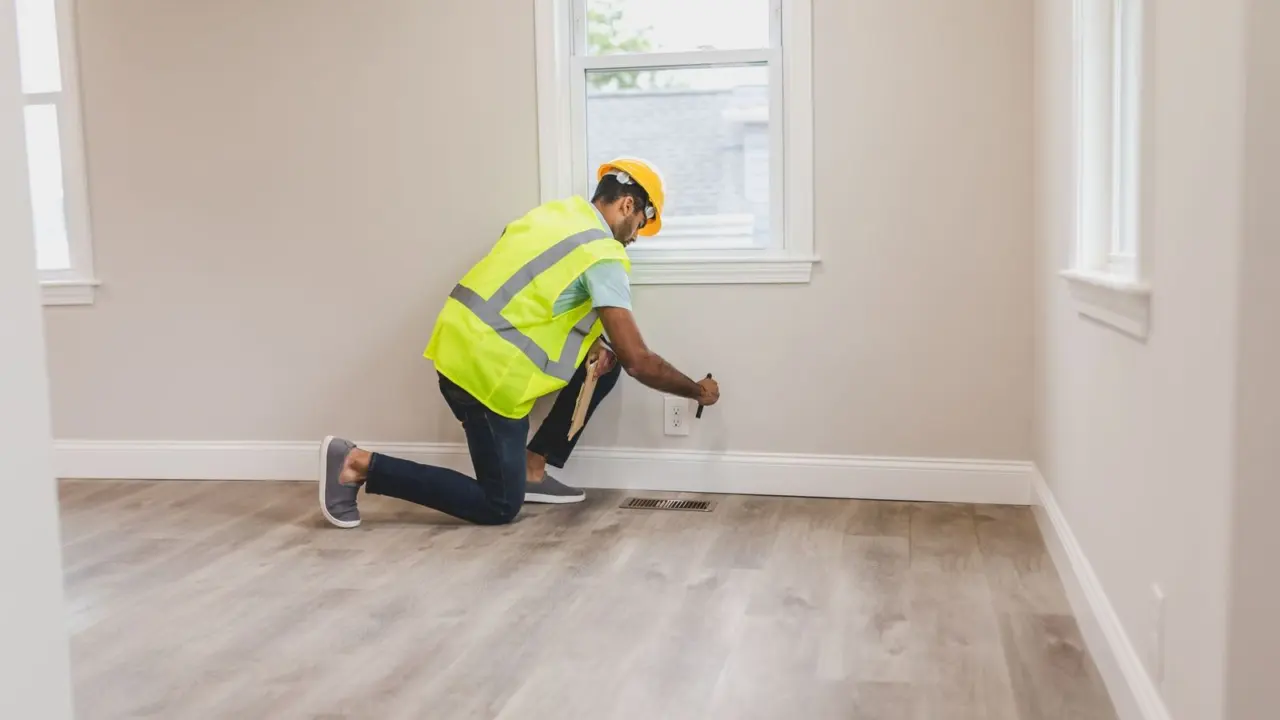
- You can still hire your own independent home inspector, which is sensible for any purchase.
Which agency performs which check varies by state and builder. Ask for the inspection records and approval documents for your specific home.
Does factory construction make the building more durable?
The NAHB says factory building allows more consistent quality thanks to uniform construction processes, training techniques and inspections. It also notes that most work is done in the factory, so weather delays and missing materials are all but eliminated.
In practice, framing and finishes are built indoors, so materials are less exposed to rain before the roof is on. That is a logical benefit, but the sources reviewed here are industry sources, and no independent defect-rate data comparing modular and site-built homes turned up.
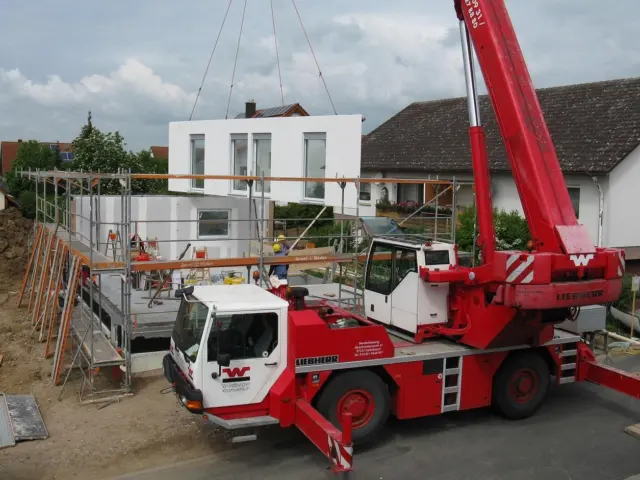
Transport and craning put stress on each section. A reputable builder designs for that, but it is worth asking how the sections are braced for the journey and how joints between modules are sealed and finished.
What can still go wrong?
Factory building removes some risks, not all of them. The weak points tend to sit at the edges of the process, where the factory hands over to the site.
- Foundation and setting: the sections are placed on a permanent foundation by crane, so an out-of-level foundation shows up as gaps, sticking doors or cracked finishes.
- Joints between modules: seams must be sealed, insulated and finished by the local crew, and this is where air and water leaks often start.
- Site work: utilities, steps, porches and drainage are completed locally, so their quality depends on the local contractor, not the factory.
- Storage delays: sections left uncovered on site before installation can take on moisture, so ask how the schedule is managed.
None of these is unique to modular building. They are simply the points a buyer should look at closely, because a perfect factory product can still be let down by a rushed installation.
Modular versus manufactured: where the quality confusion comes from
Many people judge modular homes by the reputation of older mobile homes. That comparison is wrong, because they are regulated differently.
- Manufactured homes built since June 15, 1976 must follow the federal HUD standards, according to the Maine document, and carry a red and silver seal.
- Modular homes follow state and local building codes and sit on a permanent foundation, as NAHB describes.
- Older mobile homes built before the federal standards are a separate case and should not be used as a yardstick for modular quality.
The same Maine document notes that the older HUD code, before mid-1994, did not require sheathing board between the siding and the exterior wall studs. That is one example of how code differences show up in real construction. If you are also comparing other factory-built options, a separate guide to prefab homes explains the wider category.
Why paperwork matters as much as the factory
A modular home passes through several hands: the designer, the factory, the transport crew, the local builder and the inspectors. Each handover is a place where responsibility can blur if nothing is written down.
Clear documents settle that. A good file for your home should show the approved plans, the factory inspection records, the local sign-off and a written warranty that names who fixes what. If a builder cannot produce these, treat that as a quality warning in itself.
It also helps to agree in advance how defects found after move-in are reported and repaired. Small issues, such as a misaligned door or a hairline crack at a module seam, are common in any new house, and a clear process turns them into a routine fix instead of a dispute.
How to judge a specific modular home
Because the method does not guarantee the result, check the particulars. The checklist below is general advice, not a rule from any one source.
- Ask for the code edition and state approval documents for the home.
- Request the third-party factory inspection reports and the local final inspection sign-off.
- Visit a finished home from the same builder, and visit the factory if allowed.
- Read the warranty carefully: what it covers, for how long, and who handles on-site defects.
- Confirm who is responsible for foundation, utility hookups and finish work, since a local builder does the final work.
Your layout choices also affect durability and cost, because complex shapes mean more joints between modules. Looking at modular home floor plans early helps you see which designs are simple and which are not.
This site is an independent educational guide. It is not affiliated with any builder or organisation named and does not sell services or take enquiries.
Frequently asked questions
Are modular homes as strong as site-built homes?
Show answer
They must meet the same state and national building codes, according to NAHB, so the minimum standard is the same. Strength in a real house depends on the design, materials, installation and foundation.
Are modular homes inspected?
Show answer
Yes, twice. NAHB says an independent third-party agency inspects them before they leave the factory, and a local building inspector checks them again on site.
Is a modular home the same as a manufactured home?
Show answer
No. Manufactured homes built since June 15, 1976 follow the federal HUD standards, while modular homes follow state and local building codes, as the Maine licensing document explains.
Is there proof modular homes last longer?
Show answer
No independent long-term data appeared in the sources reviewed here. Claims of greater durability mostly come from industry sources, so rely on inspection records and the builder’s track record.