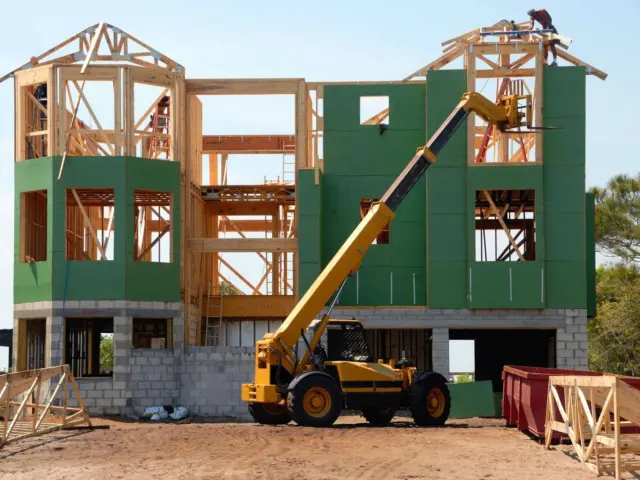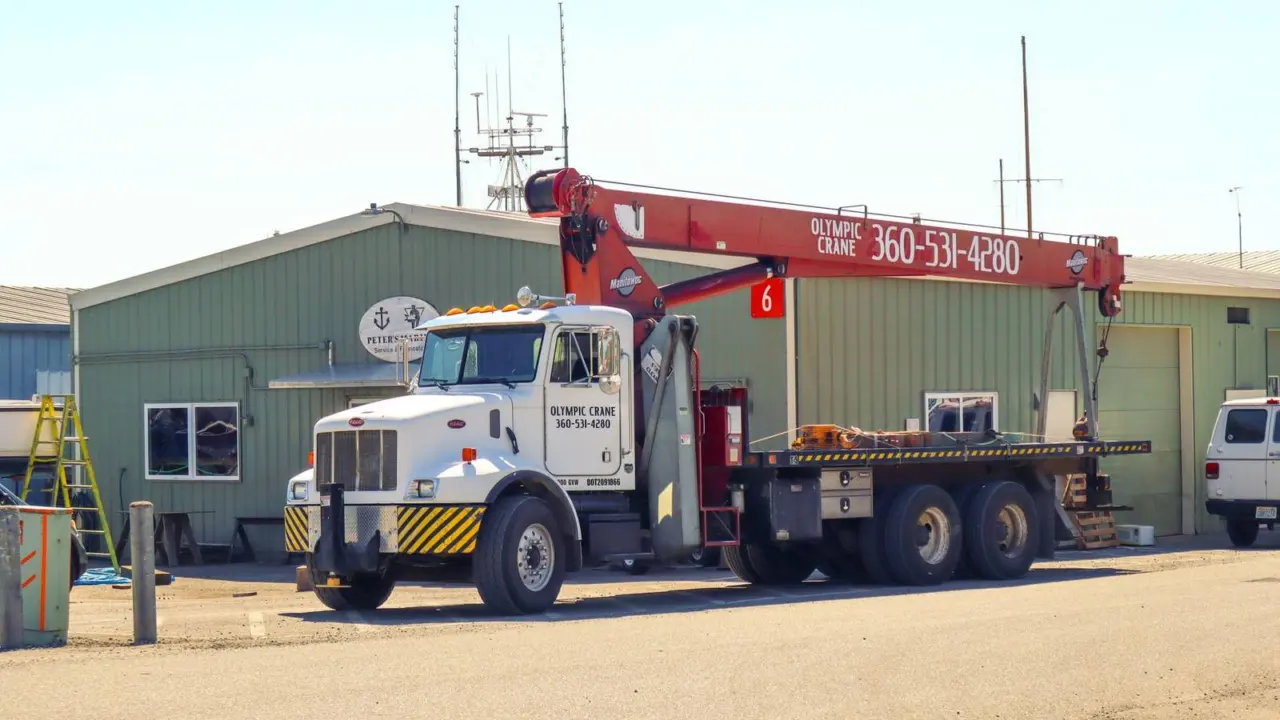
Wondering how are modular homes delivered and set? You will see trucks, then a crane, then a house taking shape in hours. Sections travel by road as oversize loads and are lifted onto a finished foundation, often within a day.
| Item | Typical value |
|---|---|
| Michigan: no special permit needed up to | 8 feet 6 inches wide |
| Michigan: rear escort required for loads wider than | 12 feet (up to 14 feet) |
| Michigan: speed limit for loads over 12 feet wide on roads with fewer than four lanes | 35 mph |
| Crane set time for a standard home | Often within a single day |
| Foundation status before setting | Fully complete and inspected |
The transport figures come from Michigan rules as summarised by Oversize.io, and the set-day points from a real estate firm’s guide dated 14 April 2026. Rules and figures change by state and over time, so check the source before you rely on them.
This guide is one step in building a modular home, and it is independent and educational only.
What happens before the trucks arrive
Delivery day is the visible part of a long process. The foundation must be fully complete and inspected before setting can begin, according to the 14 April 2026 guide.
Before anything moves, the site and route are checked. Typical items to settle in advance:
- A foundation that is finished and signed off.
- A wide, unobstructed access route, with overhead utilities and tight turns identified early.
- Ground that can carry a crane and heavy trucks.
- A booked crane, operator and installation crew.
Approvals matter here too. Our page on modular home permits explains the paperwork that usually has to be in place before a set date is fixed.
How the sections travel by road
Finished sections leave the factory on trucks and move to the site on a coordinated delivery schedule. The same guide notes that, depending on the size of the home and the distance, delivery may happen in stages over one or more days.
Because the boxes are wide, transport is regulated. Using Michigan as one example, a special permit is not required if the load does not exceed 8 feet 6 inches in width, among other limits, according to Oversize.io’s summary. Wider loads need permits, signs and sometimes escorts.
The same summary lists these Michigan conditions for wide loads:
- A rear escort vehicle for movements exceeding 12 feet and not more than 14 feet in width.
- At least two flashing or rotating amber lights on the rear of units exceeding 12 feet in width.
- A speed cap of 35 mph on roads with fewer than four lanes for loads wider than 12 feet.
Other states set their own limits, so the route and permits are normally arranged by the transport company for each state crossed.

How modular homes are delivered and set on the day
The setting process involves lifting each module into place with a crane and positioning it on the prepared foundation. The guide calls it one of the most precise stages of the entire project.
The work is typically completed quickly, often within a single day for a standard home. It still demands careful coordination between the crane operator, the installation crew and the site itself.
A typical set day runs in this order:
- The crane is positioned and the first truck is brought as close as possible.
- The crew rigs a module and the crane lifts it off the trailer.
- The module is lowered and aligned on the foundation.
- Each further module is set against the previous one.
- Modules are secured to the foundation, then the crane is removed.
Once modules are secured, the exterior connections between sections are sealed and finished.
Why the order of events matters
The sequence is deliberate. Each step depends on the one before it, and skipping ahead is where costly problems start.
A crane and crew booked for a day cannot wait while a foundation is corrected, so the inspection comes first. Trucks cannot reach the site if the route has not been checked, so access is confirmed early. And finishing work cannot begin until the modules are secured, so the set itself is planned as a single focused event.
For you, the practical lesson is to treat the weeks before delivery as the real deadline. Once the foundation, permits and access are settled, the set day itself is usually the calmest part of the project, because everyone has rehearsed their role on paper long before the first truck turns up.
Who does what on set day
Set day depends on several teams working in sequence. Knowing the roles helps you understand why the schedule is tight and why a delay can ripple through the whole day.
- Transport drivers bring each section along the permitted route and position it near the crane.
- The crane operator lifts each module and lowers it on the foundation under the direction of the crew.
- The installation crew rigs the modules, aligns them and secures them to the foundation.
- The builder or site manager coordinates the schedule and checks the foundation and access beforehand.
As the owner, your role is mostly to stay out of the working area. A crane lift involves heavy suspended loads, so keep children, pets and visitors well clear and follow the crew’s instructions.
Weather is the most common unknown. Wind and storms can pause lifting, so ask your builder how a postponed set day would be rebooked and who bears any standby charges. Get that answer in your contract rather than on the day.
Finishing work after the set
A home that is set is not yet a home you can move into. A significant amount of work still takes place on site before it is finished.
Interior connections between modules are completed, mechanical systems are tied together and utility hookups are made. Exterior finishes such as siding, roofing at the ridge and covered porches are built out as well.
Plan the service side early. Our guide to modular home septic and utilities covers the connections that follow the set.
Expect the finished look to arrive in stages. The shell appears quickly, but the rooms inside only feel complete once the connections, finishes and inspections are done. Many owners are surprised that the weeks after the crane leaves still involve plenty of visible activity, so ask for a written schedule of the post-set tasks.
Practical tips for delivery week
- Walk the access route with your builder and note low wires, soft ground and tight corners.
- Keep the site clear of vehicles and materials on delivery and set days.
- Ask who is responsible if weather delays the crane.
- Confirm in writing who arranges transport permits and escorts.
- Be reachable by phone so any decision on site is made quickly.
Treat these as a checklist to discuss with your own builder, since each project differs.
Frequently asked questions
Is a crane always needed?
Show answer
Most descriptions of the process use a crane to lift each module onto the foundation, as the 14 April 2026 guide does. Your builder will confirm the method for your design.
Can the whole house be set in a single day?
Show answer
For a standard home, setting is often completed within a single day. Larger or more complex homes can take longer.
Does delivery always happen on the same day as the set?
Show answer
Not necessarily. Delivery may happen in stages over one or more days depending on home size and distance.
Do I need a permit for wide loads?
Show answer
In Michigan, loads over 8 feet 6 inches wide exceed the no-permit limit. Rules differ by state, so check with the relevant transport authority.