Planning a modular build on open land and worried about hookups? Modular home septic and utilities are sorted out early: confirm the sewer, well and power options first, then fit the house around them.
This guide is part of our wider look at building a modular home.
| Item | Key fact |
|---|---|
| Typical functioning life of a septic system | 20 years or less |
| Septic tank pump-out guidance | At least every three to five years |
| Planned pump-out in a design example | Every four years |
| Permit before drilling a well | Typically needed |
| Existing well on the lot | Have it inspected by a qualified professional |
Figures come from the EPA septic fact sheet and a modular builder’s well-planning guide. They can change, so check the source before you rely on them.
Start with the lot, not the house
A modular house is built in a factory, but your site decides how it gets water and wastewater. If the lot sits inside a municipal service area, you connect to public lines. If not, a private well and a septic system are the usual answer.
One builder’s guide notes that knowing where the well is early on helps you choose the best place for your home and, just as importantly, your septic system. Your well, septic system, home and other site features may all need to meet local setback requirements.
Before you buy land or sign a contract, ask the local authorities these questions:
- Is public water and sewer available at the lot line?
- If not, does the soil allow a septic system?
- Where may a well and a drain field go relative to each other and to the house?
- Who supplies electricity, and how far is the nearest line?
How does septic work for a modular home?
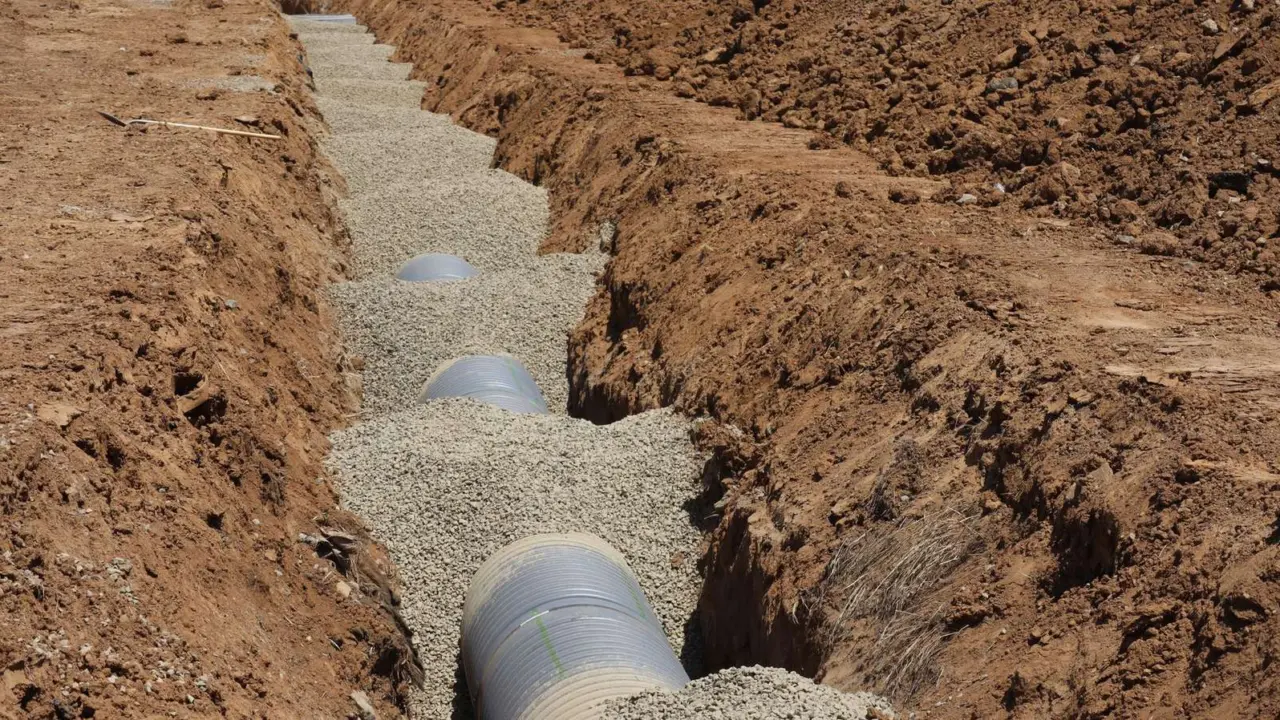
A modular home uses the same septic system as any site-built house. Wastewater flows to a tank, solids settle, and the liquid is dispersed into the soil by a drain field. The system is designed for the site and the number of people the house serves.
A qualified evaluator typically checks the soil where the drain field is proposed, and the local health authority reviews the design before it is installed. Rules differ by state and county, so confirm the process with your local office rather than assuming.
The layout of the house matters too. The farther the home is from the tank and well, the more piping and possibly pumping equipment you may need.
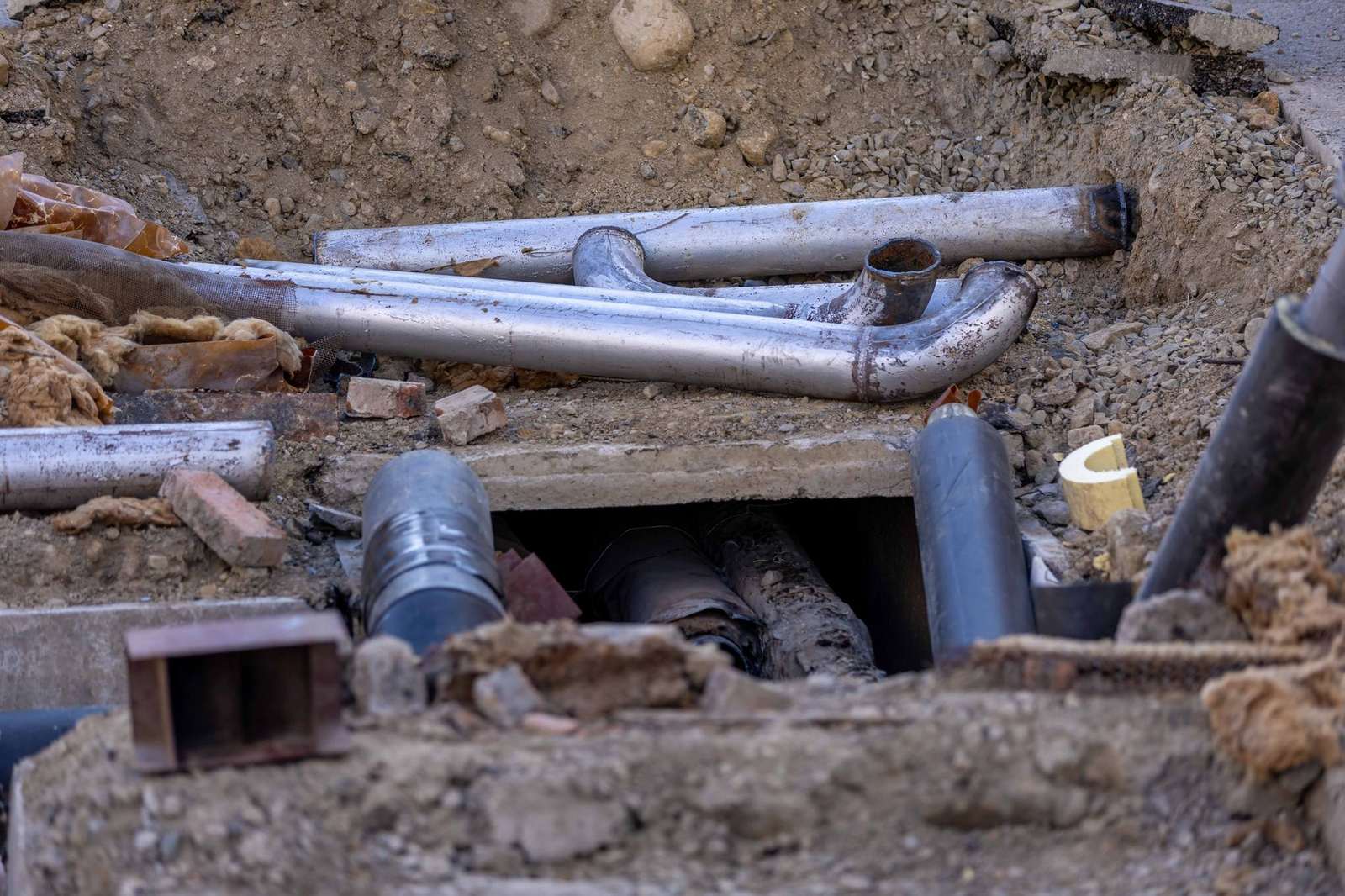
Good habits protect the drain field after you move in. Spread laundry across the week, fix dripping fixtures, and keep grease, wipes and chemicals out of the drains. Keep vehicles and heavy equipment off the drain field, and avoid planting deep-rooted trees near it.
Keep a simple record of the tank location, the design drawings and each service visit. A future buyer, inspector or repair crew will ask for it, and finding a buried tank without a map wastes time.
Keeping a septic system healthy
The EPA fact sheet says household systems are often poorly maintained, so the functioning life of septic systems is typically 20 years or less. It adds that a properly designed, well-maintained system can last for more than twenty years.
Maintenance is simple but easy to forget:
- Have the tank pumped at least every three to five years, and inspected regularly.
- Let inspection, not habit alone, set the schedule. The fact sheet says pump-out every four years should be planned, but actual practice should be determined by inspection.
- Check that baffles work, nothing leaks, and sludge and scum levels are acceptable.
Budget for this from the first day, because a failed drain field is far costlier than regular pumping.
Water: municipal supply or a private well
If public water reaches your lot, the plumber taps in and runs a line to the house. On rural land you will probably need a well. The builder’s guide says you will typically need a permit before having a well drilled.
If a well already exists, you can use it, but the guide advises having it inspected by a qualified professional before relying on it for your home’s water supply. That check can reveal surprises before the house arrives.
Once the water source is settled, the connections work like this:
- The well or public main is connected to a line running to the foundation.
- The plumber ties that line to the plumbing that the factory installed in the modules.
- Drain lines are connected to the sewer or septic tank.
- Pressure and leak tests are done before walls and floors are closed up.
Electricity, gas and communications
Power is often the longest wait. Ask your electricity provider early how service will reach the lot, and whether it means new poles, buried cable or a new transformer. Lines to a remote lot can take time to schedule.
The factory wires each module, and the on-site electrician joins the circuits at the marriage line, then connects them to the main panel and meter. If you plan gas, add the meter and lines to the same schedule. Internet and phone lines are easy to leave out, so include them too.
Energy choices affect what you need to connect, so read about modular home energy efficiency before you finalise heating and hot water.
A few practical points keep the electrical side smooth:
- Decide where the meter and main panel go before the foundation is poured.
- Place the service entrance so the cable run to the house is short.
- Ask the provider what load information it needs, such as the panel size and any electric heating.
- Plan outdoor circuits for future needs, such as a car charger or a well pump.
Water treatment is another item to settle early. If a well test shows hard water or other issues, leave room in the utility area for a softener or filter, and note where the plumber should place shut-off valves so they stay easy to reach.
Timing the hookups with delivery
Trenches, the well, the septic tank and the foundation should be ready before the modules arrive. Utility stubs are then in place when the crane sets the boxes, and the final connections can follow quickly. The steps on the day are covered in how are modular homes delivered and set.
Ask who is responsible for each connection, because the factory usually stops at the module edge. Get that division written down in the contract, and confirm inspection sign-offs with your local building department.
This guide is educational only. It is not affiliated with any company or agency named, and it offers no consulting or services.
Frequently asked questions
Do modular homes need a different septic system?
Show answer
No. The septic system is designed for the site, soil and household size, not for how the house was built. Your local health authority sets the requirements.
How long does a septic system last?
Show answer
The EPA fact sheet says the functioning life of septic systems is typically 20 years or less because most are poorly maintained. A well-maintained system can last for more than twenty years.
Do I need a permit for a well?
Show answer
Usually, yes. Rules differ by place, so ask your local office before any drilling starts.
Can I use a well that is already on my land?
Show answer
Yes, but have it inspected by a qualified professional before relying on it for your home’s water supply.