Wondering how modular home permits work when the house is built in a factory? Expect two layers: state-level approval of the factory and its units, then a local building permit and inspections for your site.
This guide is part of our wider look at building a modular home.
| Item | What the sources say |
|---|---|
| Before a Boston building permit | Manufacturer must be state-licensed and have its facility inspected by a Third Party Inspection Agency |
| Who applies for the Boston permit | The developer or general contractor |
| Utah factory inspections | Done by a DFCM Approved Third-party Inspection Agency |
| Utah proof of inspection | State of Utah approved Certification Decals applied before shipment |
| Colorado local building departments with foundation authority | Over 300 jurisdictions |
The figures come from Boston’s permitting page and Colorado’s Division of Housing, with Utah’s program described below. Rules change and differ by place, so check the source and your local office before you rely on them.
Why modular homes need two sets of approvals
A modular home is built in sections inside a factory, then moved to your lot. That splits the work into factory-stage approval and site-stage approval, and different agencies often handle each.
The factory stage is usually a state matter. The site stage, covering your foundation, utility hookups and final sign-off, usually sits with your local building department.
Because every state and town sets its own process, treat the examples below as illustrations, not a universal checklist. This site is an independent guide and is not connected to any agency named here.
What happens at the factory
In Utah, the state describes a mandatory approval process that involves manufacturers, third-party inspection agencies and individual inspectors. According to Utah’s Modular Building Program, “Once approved, manufacturers must partner with a DFCM Approved Third-party Inspection Agency to conduct plan reviews and in-factory inspections.”
The same page lists what those agencies do:
- Review the plans for each modular unit.
- Conduct the necessary inspections.
- Apply the required State of Utah approved Certification Decals to units before shipment.
For you as a buyer, the decal is the visible proof that the factory-stage review happened. Ask your manufacturer how that proof is documented in your state, and keep copies for your local permit file.
What your local building department still does
Factory approval does not replace a local permit. In Boston, the city’s page says “Before you can apply for a building permit, your manufacturer must already be licensed by the state and have their facility inspected by a Third Party Inspection Agency.”
After that, per the same city page, “The developer or general contractor will apply for a building permit from the City of Boston Inspectional Services Department (ISD), noting the details of manufactured housing components and installation.” The city then handles final inspections and issues a Certificate of Occupancy.
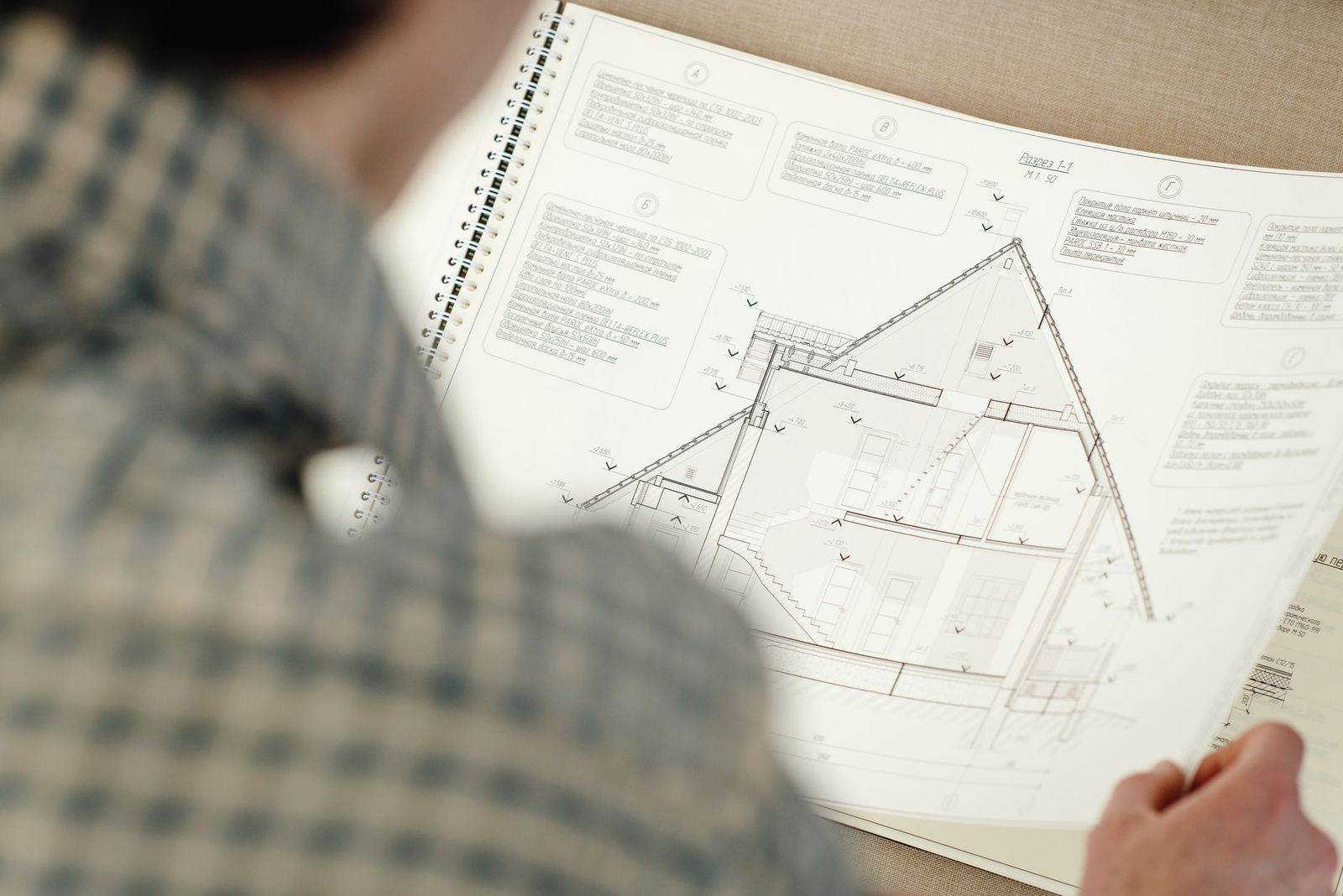
Typical site-stage items to expect:
- A building permit application that references the factory-approved plans.
- Foundation inspection before the modules arrive.
- Plumbing and electrical inspections for the hookups.
- Final inspection and a certificate of occupancy before you move in.
Lead times and exact steps vary, so ask your local office for its checklist early. Delivery timing also depends on permits being in place, as covered in how are modular homes delivered and set.
How Colorado splits the work
Colorado shows how a state can divide responsibility. Its Division of Housing reviews factory plans, and the state notes that “there are over 300 jurisdictions with active building departments; these jurisdictions have complete authority over the plan review, inspection and approval for the construction of foundation systems within their jurisdictions.”
The state’s page also explains that an on-site construction form is “submitted to the local jurisdiction for review to either accept responsibility for inspecting these items, to the DOH approved plans, or defer back to the manufacturer.” In plain terms, the local office can take on some inspections or hand them back. See Colorado’s Division of Housing page for the detail.
Design conditions stay local too: roof snow load, wind design and seismic zone follow local jurisdiction requirements, with state minimums.
Practical steps before you apply
Start by confirming that your chosen manufacturer holds approval in the state where the home will stand. Then talk to your building department before you sign a contract.
- Ask which agency approves factory-built units in your state.
- Ask what plans, site documents and foundation drawings the local office needs.
- Confirm who applies for the permit, since a contractor often does.
- Check zoning, utility and septic rules for your lot.
If you are buying land first, our guide to building a modular home on your own land covers the site questions in more depth.
Common permit delays and how to avoid them
Most delays come from missing paperwork or from a mismatch between the factory’s plans and what the local office expects. Sorting this out before the factory starts building is far cheaper than fixing it afterward.
Three situations come up often:
- Unapproved manufacturer: if the factory lacks state approval, the local office may not accept its units. Boston’s page makes state licensing a precondition for applying.
- Site conditions: snow, wind and seismic requirements follow the local jurisdiction in Colorado, so plans drawn for a different region may need changes.
- Unclear responsibility: when nobody knows whether the manufacturer, contractor or owner files the application, the file sits idle.
Ask your manufacturer and builder to put each responsibility in writing. A clear list of who submits what, and in which order, is the simplest protection against stalled approvals.
Documents to gather
Exact requirements differ, but local offices commonly want a similar core set of papers. Gather them while the design is still flexible, because changing a plan after factory approval can mean a fresh review.
- Factory-approved plans and the manufacturer’s proof of state approval.
- A site plan showing where the home sits on the lot.
- Foundation drawings prepared for local soil and frost conditions.
- Details of utility connections, such as water, sewer or septic, and power.
- The contractor’s details, if a contractor is applying on your behalf.
None of this is a substitute for your local office’s own list. Phone or visit the building department and ask what it needs, then follow that list over any general guide, including this one.
Questions to ask your building department
A short call can save weeks. Ask whether the office has handled factory-built homes before, since staff who know the process tend to move faster than those seeing it for the first time.
Also ask how inspections are scheduled and how much notice they need. Finally, ask what happens if an inspector finds an issue in a section already approved at the factory, so you know who is responsible for the fix and who pays for it.
Frequently asked questions
Do modular homes need a building permit?
Show answer
Yes, in the examples above the site work goes through a local permit. Boston’s page, for instance, has the developer or general contractor apply to the city for one.
Who inspects the factory work?
Show answer
In Utah, a state-approved third-party inspection agency does plan review and in-factory inspections. Other states use their own agencies, so check yours.
Can I apply for the permit myself?
Show answer
That depends on your local office. In Boston’s process the developer or general contractor applies, so ask your building department what it allows.
Do rules differ between states?
Show answer
Yes. Utah, Boston and Colorado each describe a different split between state and local roles, so rely on your own state and town.