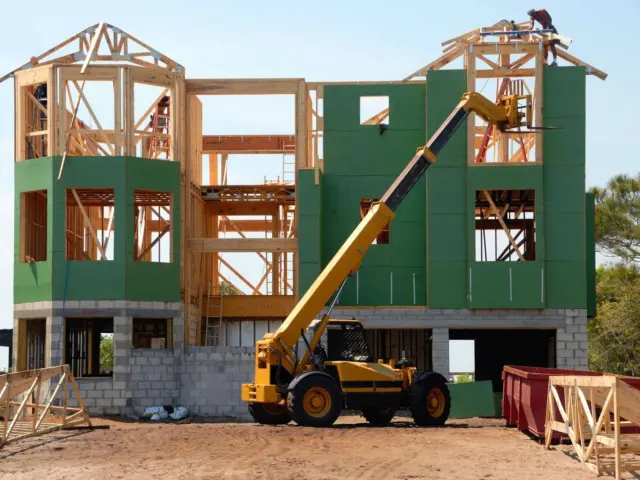
Wondering how long does it take to build a modular home? Plan on roughly three to six months from design to move-in in good conditions, though your land, permits and customisation can stretch that.
| Item | Typical value |
|---|---|
| Design to move-in (one builder’s estimate) | three to six months |
| Ideal-case build process (same builder) | 16 to 26 weeks |
| Transport to your property | one to four weeks |
| On-site assembly and finish work | four to eight weeks |
| Schedule compression versus conventional building | approximately 30-50 percent |
The timing figures come from a Texas modular builder’s guide (a single company’s estimate), and the compression range from a KPMG report citing the Modular Building Institute. Figures can change, so check the sources before you rely on them.
This guide is an independent educational overview and is not connected to any builder or organisation it mentions. It sits under our wider guide to building a modular home.
The short answer: a timeline in phases
A modular home is built in sections (modules) inside a factory, then shipped and set on a foundation. Because several jobs run at once, the calendar is shorter than for a home built entirely on site.
The builder guide we checked describes the process in stages:
- Design and permitting: you finalise a floor plan and choose materials, and your files are submitted for permit approval at the same time. The guide groups this under months one to three.
- Factory production: modules are built indoors, shielded from weather.
- Transport: finished modules travel to your property, usually one to four weeks depending on logistics, distance and weather.
- On-site assembly and finishing: roofing, siding, HVAC and landscaping typically need an additional four to eight weeks.
- Final inspections and move-in: utilities are connected and inspections are scheduled.
The same builder says that in ideal cases it completes its process in 16 to 26 weeks. Treat that as a best case from one company, not a promise you can expect from every factory.
Why modular can be faster than site-built
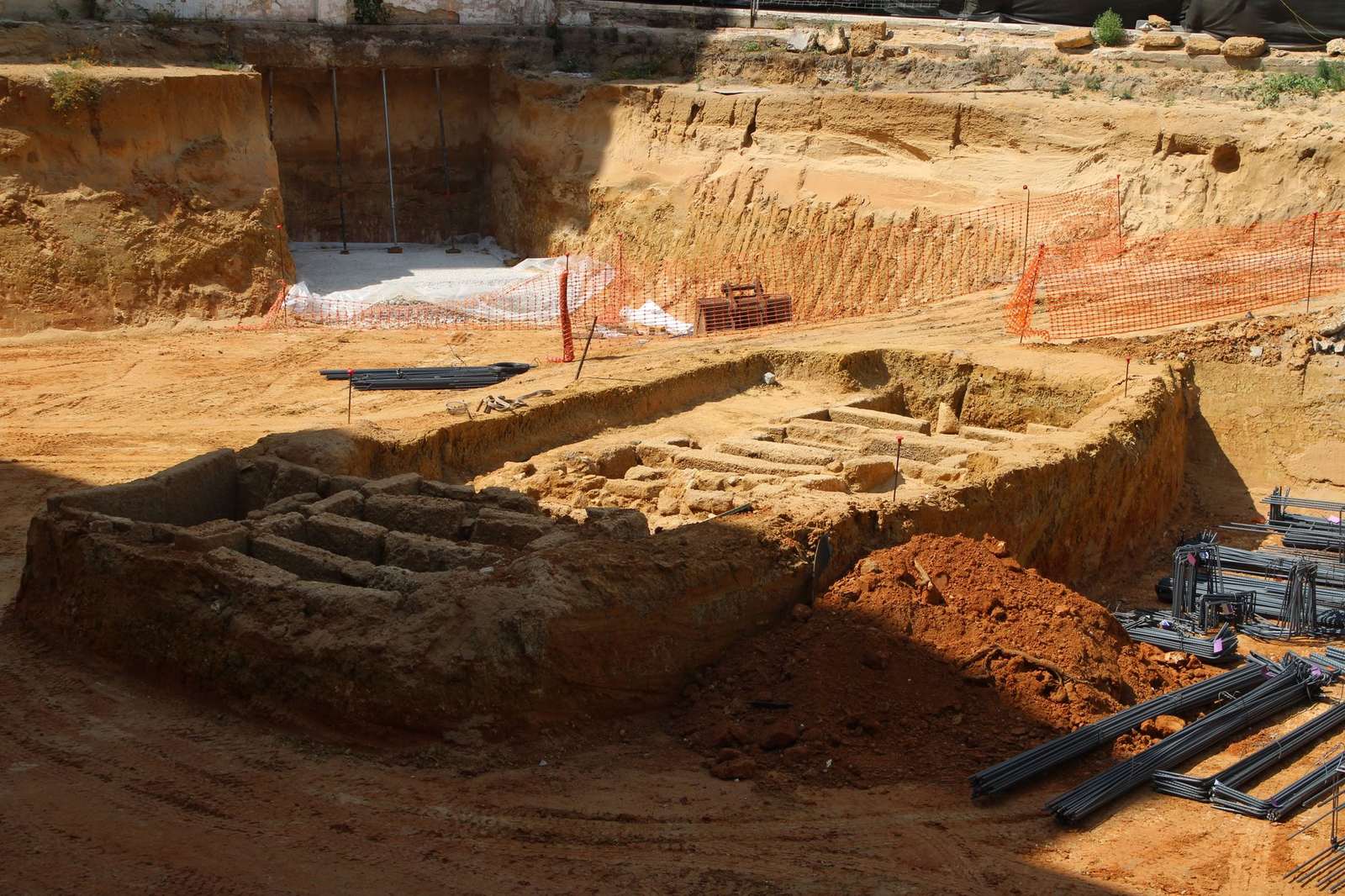
The main saving is overlap. While the factory builds your modules, your site can be cleared, excavated and prepared. The KPMG report says that, according to the Modular Building Institute, building schedules can be compressed by approximately 30-50 percent due to simultaneous site development and construction.
Weather matters too. The builder guide says the controlled factory setting shields production from weather delays. It also contrasts modular with conventional site-built homes that often stretch beyond nine months from foundation to move-in.
Remember the comparison is not exact. Published ranges mix commercial and residential projects, and many come from companies that sell modular homes.
What can lengthen your schedule?
Several things can add weeks or months, and most of them have nothing to do with the factory floor.
- Customisation: the builder guide notes that more customisation may extend the design and factory phases.
- Permits and approvals: local review times vary, and your dates depend on approvals as well as the manufacturer’s schedule.
- Weather and distance: transport can take longer when routes are long or conditions are poor.
- Site readiness: modules cannot be set until the base is ready. Our guide to modular home foundations explains what that stage involves.
- Factory backlog: a busy factory may not start your modules right away.
Timing when you build on your own land
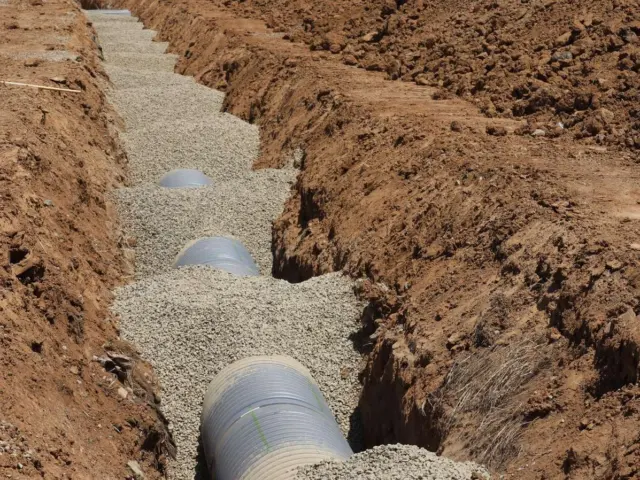
If you already own the lot, you still have jobs the factory cannot do for you. These include access, utilities, septic or sewer connections and the foundation, so start them early so they finish as modules leave the factory.
Our guide to building a modular home on your own land covers those site-specific steps. Ask each contractor for written dates and keep a buffer between the foundation finishing and module delivery.
How to plan a realistic schedule
Ask any manufacturer for a schedule that separates design, permitting, factory time, transport and on-site finishing. A single headline figure hides where the delays happen.
- Run permit applications at the same time as design, as the builder guide describes.
- Confirm the factory’s start date, not just its build duration.
- Book site work so it finishes before delivery.
- Allow extra time if you want custom finishes.
- Treat any promise of a few weeks from start to finish with caution unless you see the full scope.
Be sceptical of very short claims. Quoted figures often cover only part of the process, such as factory time, and leave out design, permits and finishing.
How long does each phase really take you?
The calendar is only half of the story. Each phase asks something different of you, and knowing that helps you avoid idle weeks.
Design and permitting is where you have the most control. Decisions about layout, materials and finishes made early keep the factory phase from stalling later. Changes after production starts are the classic source of lost time.
Factory production is the phase you can do least about. Your role is mostly approvals and answering questions quickly. If a builder asks you to confirm a choice, a slow reply can push your slot back.
Delivery and setting depend on logistics. Distance, route and weather all play a part, which is why the builder guide gives a range rather than a single number. Be ready with a prepared site and a clear access route.
Finishing covers the work after modules are joined: roofing, siding, HVAC and landscaping in that builder’s description. This is often longer than people expect, because the home is not move-in ready the day the modules arrive.
Questions to ask a manufacturer about timing
Because every company defines “build time” differently, ask the same questions of each one you compare.
- Does your quoted time start at design, at permit approval, or when modules enter production?
- When would my modules realistically start, given your current workload?
- Which on-site tasks are included in your schedule, and which are mine to arrange?
- What happens to the schedule if I change a finish after approval?
- How do you handle delays caused by weather during transport or setting?
Written answers let you compare offers fairly. They also give you something to point to if the schedule slips.
Frequently asked questions
How long does it take to build a modular home from start to finish?
Show answer
One builder’s guide says you can often move in within three to six months from initial design through final inspection. Your own timeline depends on permits, site work and customisation.
How long does on-site assembly take?
Show answer
The same guide says assembly and finish work typically requires an additional four to eight weeks, after one to four weeks of transport.
Is a modular home quicker than a site-built home?
Show answer
Usually, because site work and factory work overlap. The Modular Building Institute figure cited by KPMG is a schedule compression of approximately 30-50 percent.
What slows a modular build down?
Show answer
Customisation, permit approvals, weather, long transport and an unready site are common causes. Factory backlog can also delay the start.